
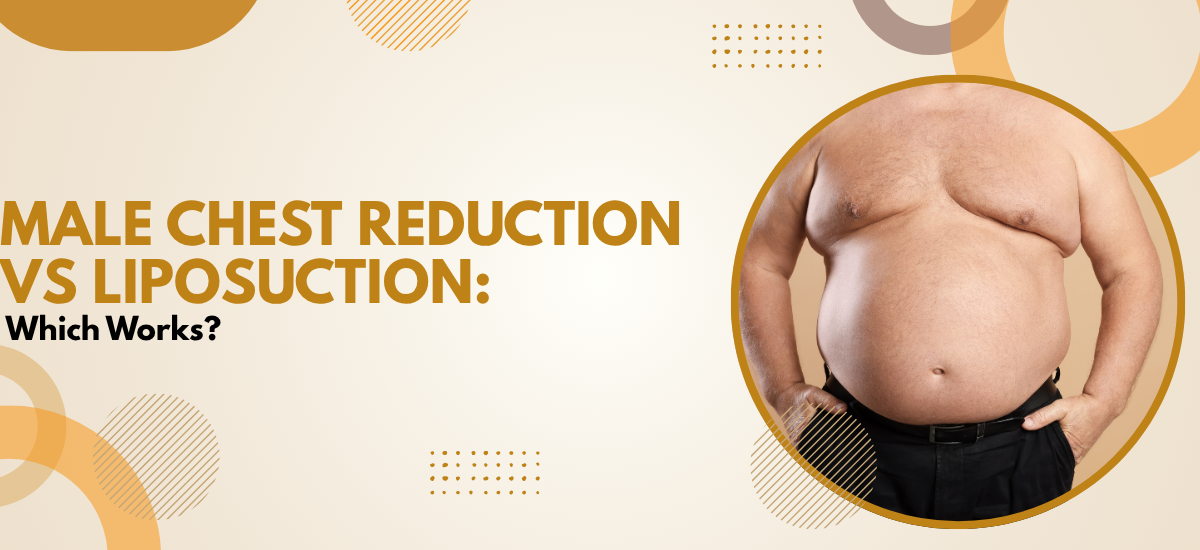
The right answer depends entirely on what is actually causing the chest fullness. Liposuction removes fat, so it works when the fullness is fat driven, a condition called pseudo gynecomastia. Male chest reduction, or gynecomastia surgery, removes the firm glandular tissue that liposuction cannot, which is what true gynecomastia requires. Getting this distinction right at diagnosis is the single most important factor, because using liposuction alone on true gynecomastia leaves residual firm tissue that remains visible after the fat is gone.
According to Dr. Monisha Kapoor, a trusted plastic surgeon in Delhi, “The mistake I see most often is chest fullness treated with liposuction alone when there is glandular tissue involved. The fat comes out, but the firm gland stays, and the patient is left wondering why the chest still looks full. The diagnosis has to come first, then the right procedure follows.”
|
Liposuction Alone |
Male Chest Reduction | |
|
Removes |
Fat only | Fat and gland |
|
Best for |
Pseudo gynecomastia |
True gynecomastia |
| Incision | Tiny cannula |
Areolar incision |
| Firm tissue | Remains |
Removed |
Want to know which procedure your chest concern actually needs? Book a Consultation
How Does Each Procedure Work?
Both go after chest fullness, but they take out different tissue, and that is the whole reason the diagnosis decides the route.
Liposuction for Fat
A thin cannula loosens and draws out fat cells through tiny openings, and it does the job well when the fullness is nothing more than fat. VASER handles the denser, fibrous fat the male chest tends to carry.
Male Chest Reduction for Gland
Here the firm glandular tissue is cut away through a small opening at the edge of the areola. Liposuction simply cannot pull this tissue out, which is why gland cases need excision rather than suction.
The Combined Approach
True gynecomastia usually carries both fat and gland, so liposuction clears the fat while excision removes the firm tissue. Together they flatten the chest in a way neither manages alone.
Why Diagnosis Comes First
A quick physical exam settles whether the fullness is fat, gland, or a mix of both. That finding picks the procedure, and skipping it is what leaves patients under-corrected.
Full detail on the surgery and how it is performed is on the male chest reduction service page.
Which One Should You Choose?
The diagnosis leads to the decision here, not personal preference, and a handful of clear signs point to the right procedure.
Choose Liposuction Alone If
The fullness feels soft and fat-driven with no firm tissue turning up on examination. That is pseudo gynecomastia, and liposuction handles it cleanly by itself.
Choose Male Chest Reduction If
There is firm, rubbery tissue sitting beneath the nipple. That points to true gynecomastia, and the gland has to come out for the chest to lie flat.
When You Need Both
Most true gynecomastia carries fat and gland together, so the combined route is the usual and most dependable way to a fully defined chest.
Why Liposuction Alone Can Fail
Run liposuction alone on true gynecomastia and the fat goes while the firm gland stays, so the chest still looks full and a second procedure ends up on the table.
Patients wanting a full clinical overview of gynecomastia and how the surgery works can read through the gynecomastia surgery blog, which covers diagnosis and treatment in detail.
Why Choose Dr. Monisha Kapoor?
Dr. Monisha Kapoor is India’s first woman aesthetic plastic surgeon admitted to the American Society of Aesthetic Plastic Surgery and holds active membership with ISAPS, with 25+ years of practice and over 10,000 procedures. Every male chest assessment at her Saket clinic starts by distinguishing fat from glandular tissue before recommending a procedure, which is what produces a flat, clean result and avoids the under-correction that comes from applying the wrong technique.
📞 Call Now: +91 83739 84777
FAQs
Can liposuction alone fix gynecomastia?
Only if the fullness is purely fat. True gynecomastia involves glandular tissue that liposuction cannot remove, so gland excision is needed.
How do I know if I have fat or glandular tissue?
A physical examination determines this. Firm, rubbery tissue beneath the nipple indicates gland, while soft fullness indicates fat.
Is the combined procedure more invasive?
Slightly, since it includes a small areolar incision for gland removal alongside liposuction, but recovery remains similar to liposuction alone in most cases.
Will the chest fullness come back after surgery?
The excised gland does not return. Significant weight gain or steroid use can cause new fullness, so stable weight and avoiding steroids protect the result.
References
- National Library of Medicine — Gynecomastia Surgery: Liposuction Versus Gland Excision: https://pubmed.ncbi.nlm.nih.gov/28481798/
- National Library of Medicine — Surgical Management of Male Chest Contour: https://pubmed.ncbi.nlm.nih.gov/22373014/