Book An Appointment 📞 Call Now
This website is being reviewed and updated in line with the National Medical Commission (NMC) guidelines on ethical advertising and public communication by registered medical practitioners.
Dr. Monisha Kapoor
  • Home
  • About Us
  • Treatments
    • Hair
      • Hair Transplant
    • Body
      • Liposuction
      • Six Pack Abs
      • Hour Glass Shape
      • Brazilian Butt Lift
      • Thigh Gap
      • Full Body Lift
      • Vaginal Revitalisation
      • Hand & Feet Revitalisation
      • Tummy Tuck
      • Breast Surgery
      • Male Chest Reshaping
      • Male Chest Reduction
      • Mommy Makeover
      • Men Makeover
    • Skin
      • Zein Obegi's Skin Treatment
      • Chemical Peels
      • Hydra Facial
      • Silk Peel
      • Pelleve Skin Tightening
      • IPL Foto Facials
      • Tri Active Deka Peel
      • Tattoo Removal
      • Laser Skin Toning
      • Laser Hair Reduction
      • Full Body Polishing
      • Halo BBL
    • Face
      • Acne Scar Treatment
      • Face & Neck Lift
      • Forehead
      • Neurotoxin and Fillers
      • Brows
      • Eyes
      • Nose
      • Cheeks
      • Lips
      • Chin
      • Face Bone Alteration
      • Dimple Creation
      • Face Thinning
      • Permanent Makeup
  • Resources
    • Facilities & Infrastructure
    • Media
    • Photos
    • Blog
    • Case Studies
  • Contact Us
+91-8860851727

Blog

Recent Posts

  • Can Burn Contractures Limit Movement and How Are They Treated?
  • What Medical Tests Are Needed Before Plastic Surgery?
  • Can You Have Surgery If You Take Blood Thinners?
  • Can High Blood Pressure Affect Plastic Surgery?
  • Can Anemia Affect Your Eligibility for Plastic Surgery?

Archives

  • October 2026
  • September 2026
  • August 2026
  • July 2026
  • June 2026
  • May 2026
  • December 2023
  • July 2023
  • April 2023
  • July 2020
  • June 2020
  • November 2019
  • August 2019
  • August 2018
  • April 2018
  • March 2018
  • January 2018
  • December 2017
  • October 2017
  • September 2017
  • July 2017
  • June 2017
  • April 2017
  • December 2016
  • November 2016
  • October 2016
  • September 2016
  • August 2016
  • July 2016

Can Burn Contractures Limit Movement and How Are They Treated?

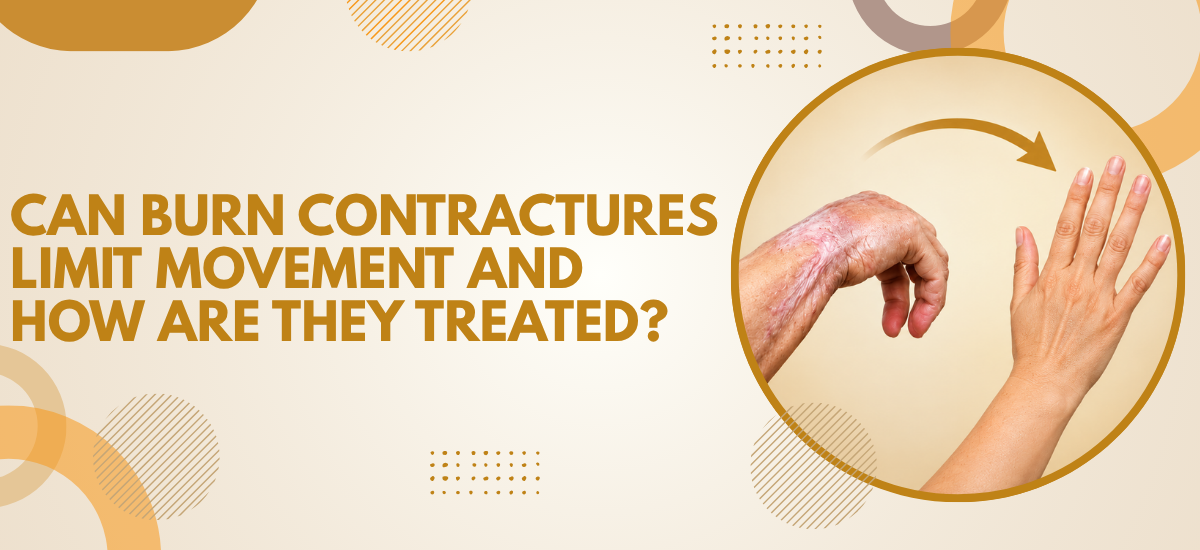
Educational banner showing an old wrinkled hand and a healthy hand within a circle, illustrating movement related to burn contractures and their treatment text.
Posted on October 7, 2026October 7, 2026

Yes. Burn contractures limit movement, plain and simple. Healing skin tightens, pulls across a joint, and stops doing what normal skin does: stretch. Left alone, that joint can freeze in place. Mild cases need therapy and splinting. Bad ones need surgery.

According to Dr. Monisha Kapoor, plastic surgeon in Delhi, “a contracture doesn’t announce itself overnight, it creeps in over weeks of healing, and that’s exactly the window where stretching and splinting can prevent a surgery later.”

Struggling to fully bend or straighten a joint near an old burn scar? Book a Consultation

How Do Burn Contractures Actually Limit Movement?

Contractures form when scar tissue contracts faster than the joint underneath can adapt. A mismatch in speed. That’s it.

  • Joint Location: Neck, elbow, hand? Those lose the most function, because they need a full range of motion just to get through a normal day.
  • Scar Maturity: Fresh scars are the aggressive ones. Give it three to six months and the tightening usually settles on its own.
  • Depth of Burn: Deeper burns pull harder. Simple as that, and it’s exactly why a flat scar turns into a tight rope of tissue over time.
  • Grading: Surgeons grade these on a scale. Mild stiffness on one end, a joint that won’t budge at all on the other.

So does grading matter? It decides whether you need therapy or a scalpel. Most contractures get caught early through routine scar management, long before the joint truly locks up.

What Does Contracture Release Surgery Involve?

Surgical release cuts the tight band and swaps it for tissue that actually stretches. Not glamorous. Works, though.

  • Z-Plasty: A zigzag cut, nothing more. It spreads the tension sideways so the scar lengthens without needing a graft at all.
  • Skin Grafting: Too big an area to close with local skin? A graft from elsewhere fills the gap instead.
  • Flap Coverage: Deep contractures near a joint often need a flap, not a graft. Flaps bring their own blood supply, and that matters when the area has to keep moving.
  • Post-Op Splinting: Weeks in a stretched position. Skip this part and the tissue just tightens right back up.

Recovery depends on splinting and therapy as much as the surgery itself. Honestly, more. And patients looking into non-surgical skin tightening usually end up asking exactly where that line with surgical release sits.

Why Choose Dr. Monisha Kapoor?

Dr. Monisha Kapoor is MCh-qualified, plastic and reconstructive surgery, over two decades in. She’s handled enough contracture cases to know when a release is too soon. Not every surgeon does.

Patients get a real plan: therapy, splinting, timing. Not just a date for surgery. Rush the release before the scar’s matured and you’ll likely do it twice. Losing range in a joint near an old burn? Worth a proper look.

📞 Call Now: +91 83739 84777

FAQs

Can physical therapy alone fix a burn contracture?
Mild contractures often improve with therapy and splinting, but severe ones usually need surgery.

How long after a burn does a contracture develop?
Contractures typically develop within the first three to six months of healing.

Can a contracture come back after release surgery?
Yes, without proper splinting and therapy the scar can tighten again.

Do contractures only affect visible scars?
No, contractures can restrict movement even when the scar looks minor.

References

  1. World Health Organization – Burns
  2. National Center for Biotechnology Information – Prevention and Treatment of Burn Scar Contracture

What Medical Tests Are Needed Before Plastic Surgery?

Posted on October 1, 2026October 20, 2026

The tests depend on your age, health and the size of the procedure; there’s no single list for everyone. Common ones are a blood count, a blood sugar check and, for older patients or bigger operations, an ECG. Extra tests get added when your history calls for them, such as clotting studies or kidney function. Healthy patients having smaller procedures often need very little.

According to Dr. Monisha Kapoor, plastic surgeon in Delhi, “tests should answer a question about your health, not tick a box, so what we order depends entirely on who’s in front of us.”

Booked a consultation and wondering what tests to bring or expect? Book a Consultation

Which Tests Are Commonly Done Before Plastic Surgery?

A short core set covers most patients. Everything else is targeted.

  • Blood Count: Checks hemoglobin and platelets, which matters because low hemoglobin affects healing and bleeding.
  • Blood Sugar: An HbA1c or fasting glucose shows how steady your sugar has been, since high levels slow healing.
  • ECG: A heart tracing is usually kept for older patients, heart history or larger operations, not every healthy twenty-something.
  • Kidney and Liver Panels: Ordered when you take certain medicines or have a known condition, not by default.

Smaller procedures need fewer tests. And many options, such as IPL foto facials, need little or none, depending on your health and what’s being done.

When Do Extra Tests Become Necessary?

Your history decides. The tests follow it.

  • Chronic Conditions: Diabetes, high blood pressure or thyroid disease usually mean added tests or a physician’s clearance first.
  • Medication Use: Blood thinners or long-term steroids can call for clotting studies or other checks, and the plan changes accordingly.
  • Heart Symptoms: Chest pain, breathlessness or a known heart condition? An ECG and a cardiology opinion usually come before a surgical date.
  • Procedure Size: A large body contouring operation involves more blood loss than a minor one, so it needs more groundwork, and sometimes blood is grouped and kept in reserve.

Because tests catch problems while they’re still easy to fix, they’re a help, not a hurdle (and bringing old reports can save repeat tests). So patients planning ahead often start with our pre-surgery checklist.

Why Choose Dr. Monisha Kapoor?

Dr. Monisha Kapoor, a plastic surgeon in Delhi, is MCh-qualified. Over two decades in plastic and reconstructive surgery. Tests are chosen for the patient, not copied from a template.

Patients get the tests their health and procedure call for, nothing padded on.

📞 Call Now: +91 83739 84777

FAQs

Do all patients need blood tests before plastic surgery?
Usually a basic blood count; exact tests depend on your health and procedure.

Is an ECG always required before surgery?
No, it’s usually for older patients, heart history or larger operations.

Should I fast before blood tests?
It depends on the test; follow the instructions given when it’s ordered.

Can I use recent test reports from another lab?
Often yes, if they’re recent; your surgeon will confirm what’s acceptable.

References

  1. National Center for Biotechnology Information – Role of Routine Laboratory Investigations in Preoperative Evaluation
  2. National Center for Biotechnology Information – Routine Pre-operative Testing (NIHR Health Technology Assessment)


Can You Have Surgery If You Take Blood Thinners?

Posted on October 1, 2026October 20, 2026

Yes, often, but only with a plan. The blood thinner usually has to be paused or adjusted for a set number of days beforehand, and that call is made by the surgeon together with the doctor who prescribed it. Stopping on your own is dangerous, because the drug is protecting you from clots and stroke. The risk runs both ways: bleeding if you stay on it, clotting if you come off.

According to Dr. Monisha Kapoor, plastic surgeon in Delhi, “a blood thinner isn’t a no, it’s a coordination problem, and the prescribing doctor’s input matters as much as mine.”

Taking a blood thinner and unsure how it affects your surgery plans? Book a Consultation

How Do Blood Thinners Affect Plastic Surgery?

Every blood thinner trades clot protection for bleeding risk. Surgery shifts that balance.

  • Bleeding: The drug does its job, so cut vessels bleed longer, and bruising or a hematoma under the skin becomes likelier after procedures like a facelift.
  • Clot Risk: Why not just stop it? Because the reason you’re on it, say atrial fibrillation or a past clot, doesn’t pause for surgery.
  • Drug Type: Warfarin, newer oral anticoagulants and antiplatelets like aspirin all behave differently, so each has its own timing.
  • Procedure Size: Minor skin work carries little bleeding risk; a major operation carries far more, and the plan changes accordingly.

Bigger procedures need the bigger plan. Smaller options such as chemical peels sometimes go ahead with little change to medication, though that’s a decision for your doctors, never a guess.

What Should You Do Before Surgery If You Take Blood Thinners?

Rule one: don’t stop it yourself. Everything else follows.

  • Full List: Write down every tablet, injection and supplement, because aspirin, anti-inflammatory painkillers and some herbal products can also thin the blood.
  • Prescriber Input: The doctor who prescribed it weighs your clot risk, and that opinion decides whether the drug can safely pause.
  • Stop and Restart Dates: Warfarin is often held around five days beforehand, newer anticoagulants for a shorter spell that depends on the drug and your kidneys, and your team gives exact dates.
  • Special Situations: A recent stroke, clot or heart stent can push surgery back, because stopping the drug too soon after those carries its own danger.

A clear plan keeps both bleeding and clot risks low (and a complete medicine list is half of it). So patients wanting to know how a clinic handles bleeding and emergencies often read up on clinic safety.

Why Choose Dr. Monisha Kapoor?

Dr. Monisha Kapoor, a plastic surgeon in Delhi, is MCh-qualified. Over two decades in plastic and reconstructive surgery. Medication history gets reviewed before any surgical date is set.

Patients on blood thinners aren’t turned away. The plan is built with your prescribing doctor, and nothing gets stopped without one.

📞 Call Now: +91 83739 84777

FAQs

Can I have plastic surgery while on blood thinners?
Often yes, with a plan agreed between your surgeon and prescribing doctor.

Should I stop my blood thinner before surgery on my own?
No, stopping without medical advice can cause dangerous clots or stroke.

How long before surgery is a blood thinner usually stopped?
It varies by drug; warfarin is often held about five days, others for less.

Do over-the-counter painkillers and supplements also thin the blood?
Some do, including aspirin and anti-inflammatories, so tell your surgeon about everything.

References

  • National Center for Biotechnology Information – Perioperative Anticoagulation Management
  • PubMed – Perioperative Management of Patients Taking Direct Oral Anticoagulants: A Review


Can High Blood Pressure Affect Plastic Surgery?

Posted on October 1, 2026October 20, 2026

Yes, it can, though well-controlled high blood pressure rarely stops a procedure. The concern is pressure that’s high on the day, because it raises the risk of bleeding, blood collecting under the skin and strain on the heart during anesthesia. Controlled, it’s a minor risk. Uncontrolled, it’s a reason to wait. Surgeons check blood pressure first and usually keep regular medication going, and severely raised readings mean waiting until it’s brought down.

According to Dr. Monisha Kapoor, plastic surgeon in Delhi, “blood pressure under control is a routine conversation; blood pressure out of control is the one that stops the schedule.”

On blood pressure medication and wondering if surgery is still an option? Book a Consultation

How Does High Blood Pressure Affect Plastic Surgery?

Pressure is a moving target. What matters is the number on the day.

  • Bleeding Risk: higher pressure makes small bleeds more likely, and blood can collect under the skin (a hematoma) after procedures like a facelift.
  • Anesthesia Response: pressure can swing during and after anesthesia, so the anesthetist wants it steady going in.
  • Heart Strain: uncontrolled pressure makes the heart work harder under surgical stress, and that’s the real safety issue.
  • Healing Quality: long-standing high pressure can damage small vessels, and results suffer when circulation does.

Well-controlled pressure is a minor risk, not a barrier. And many options, such as laser hair reduction, need little or no anesthesia, so they’re worth asking about.

What Should You Do Before Surgery If You Have High Blood Pressure?

Preparation is mostly habit. Steady readings, steady medication.

  • Readings: bring recent home numbers; clinic readings often run high from nerves, so a pattern tells more than one measurement.
  • Medication: most pressure tablets are continued, including on the morning of surgery, but follow your anesthetist’s exact advice because stopping suddenly can push pressure up.
  • Medical Review: pressure that’s been high for years or poorly controlled may call for a check of the heart and kidneys first.
  • Supplements and Painkillers: some herbal products and anti-inflammatory painkillers can raise pressure or bleeding risk, so tell the team everything you take.

Steady numbers on the day make everything easier (and a calm waiting room helps more than people think). So patients planning ahead often start with our surgery preparation guide.

Why Choose Dr. Monisha Kapoor?

Dr. Monisha Kapoor, a plastic surgeon in Delhi, is MCh-qualified. Over two decades in plastic and reconstructive surgery. Blood pressure gets checked before any surgical date is set.

Patients on pressure medication aren’t turned away. They’re assessed. Surgery goes ahead when the numbers are safe.

📞 Call Now: +91 83739 84777

FAQs

Can I have plastic surgery if my blood pressure is high?
Yes, if it’s well controlled; severely raised readings usually mean waiting.

Should I stop my blood pressure tablets before surgery?
Usually not; most are continued, so follow your anesthetist’s advice.

Does high blood pressure increase bleeding after surgery?
Yes, it raises the risk of bleeding and blood collecting under the skin.

Can nervousness raise my blood pressure on the day?
Yes, anxiety often lifts readings, so repeat measurements give a truer picture.

References

  1. National Center for Biotechnology Information – Preoperative Hypertension
  2. PubMed – Evaluation and Management of Perioperative Hypertension

Can Anemia Affect Your Eligibility for Plastic Surgery?

Posted on October 1, 2026October 20, 2026

Yes, it can. Not always a no, but often a not yet. Low hemoglobin means less oxygen reaches healing tissue, and a transfusion becomes more likely. So surgeons check a blood count before any elective procedure. Every time. Mild, treatable anemia gets fixed first. Then surgery goes ahead.

According to Dr. Monisha Kapoor, plastic surgeon in Delhi, “anemia is one of the easiest surgical risks to fix, as long as it’s found before the date is fixed, not the week of surgery.”

Feeling constantly tired, or been told your hemoglobin runs low, and thinking about surgery? Book a Consultation

How Does Anemia Affect Plastic Surgery Safety?

Healing runs on oxygen. Anemia cuts the supply.

  • Wound Healing: slow. Oxygen-starved tissue repairs at its own pace, and incisions can stay fragile far longer than anyone would like.
  • Blood Loss: low on reserves? Then even routine bleeding hits harder, because there’s less in the bank to begin with.
  • Transfusion Risk: more likely, and nobody wants that if it can be avoided.
  • Recovery Strength: expect fatigue, dizziness, breathlessness on the stairs. The first weeks feel longer, and the return to normal drags.

None of this puts surgery out of reach. Smaller procedures and options such as neurotoxin and fillers ask far less of the body, and that’s worth a conversation. Not a dead end. A different route.

What Happens If Anemia Is Found Before Surgery?

Finding it early is the good outcome. Finding it late is the problem. (Plenty of patients blame their tiredness on a busy life, not low iron.)

  • Blood Test: one simple count. It shows your hemoglobin, and a low result sends the doctor looking for the cause.
  • Cause First: why is it low? Usually iron. But vitamin shortages, blood loss or a chronic illness can be behind it, and each one is treated differently.
  • Treatment Window: several weeks, typically, for iron or other therapy to lift hemoglobin. So the surgery date may move, and that’s fine.
  • Recheck: count again before the procedure. Numbers safe? Surgery goes ahead.

Because healing is where results are won or lost, a few weeks’ wait is a small price. And patients wondering what a safe surgical setup looks like often read up on facility safety.

Why Choose Dr. Monisha Kapoor?

Dr. Monisha Kapoor, a plastic surgeon in Delhi, is MCh-qualified. Over two decades in plastic and reconstructive surgery. Fitness for surgery gets checked before any date is set.

Patients with anemia aren’t turned away. They’re prepared. Surgery goes ahead when the blood count supports it, not before. No shortcuts.

📞 Call Now: +91 83739 84777

FAQs

Can I have plastic surgery with mild anemia?
Often yes, once the cause is treated and hemoglobin has improved.

Does anemia increase the risk of needing a blood transfusion?
Yes, low hemoglobin before surgery raises the likelihood of transfusion.

How long does it take to correct iron deficiency anemia?
It often takes several weeks of treatment, depending on the cause.

Will my surgeon check for anemia before surgery?
Yes, a blood count is a standard part of pre-operative assessment.

References

  1. PubMed – Preoperative Anemia: Evaluation and Treatment
  2. Preoperative Investigations: Practice Guidelines from the Indian Society of Anaesthesiologists

Can You Have Plastic Surgery If You Have Diabetes?

Posted on October 1, 2026October 20, 2026

Yes, in most cases, well-controlled diabetes doesn’t rule out plastic surgery. The real concern is blood sugar, because high glucose slows healing and raises the chance of infection. Surgeons usually ask for recent glucose readings and medical clearance before agreeing to an elective procedure. Poorly controlled diabetes can mean waiting, and that’s a safety decision, not a refusal.

According to Dr. Monisha Kapoor, plastic surgeon in Delhi, “diabetes isn’t the barrier, uncontrolled blood sugar is, and most of that can be fixed before we ever operate.”

Managing diabetes and wondering whether surgery is safe for you? Book a Consultation

How Does Diabetes Affect Plastic Surgery Risk?

Diabetes changes how the body heals, and surgery puts that to the test.

  • Wound Healing: high blood sugar slows tissue repair, so incisions can take longer to close and scars may mature unevenly.
  • Infection Risk: elevated glucose weakens the body’s defence against bacteria, which is why surgical site infections are more common.
  • Circulation: narrowed blood vessels reduce the oxygen reaching a healing area, and that matters most for grafts and flaps.
  • Nerve Changes: neuropathy can dull sensation, so a problem under a dressing may go unnoticed for days.

Healing is the main variable here. Gentler, low-downtime options such as silk peel ask far less of the skin’s healing, which is worth discussing.

What Should Diabetic Patients Do Before Plastic Surgery?

Most of the safety work happens well before the day of surgery.

  • Glucose Control: a recent HbA1c and daily readings show how stable your sugar has been, and surgery may be postponed if it hasn’t been.
  • Medical Clearance: your physician or endocrinologist reviews heart, kidney and overall health before the procedure is confirmed.
  • Medication Plan: insulin and tablets are often adjusted or paused around surgery, and that plan should come from your doctors, never guesswork.
  • Lifestyle Habits: smoking cuts blood flow to healing tissue, so quitting well ahead of surgery improves results.

Careful preparation lowers the risk of poor scarring later (a point many patients overlook). So those who want the full picture often start with our pre-op checklist.

Why Choose Dr. Monisha Kapoor?

Dr. Monisha Kapoor, a plastic surgeon in Delhi, is MCh-qualified with over two decades of experience in plastic and reconstructive surgery. Healing risk gets assessed before any surgical plan is made, not after.

Patients with diabetes receive a frank assessment first. Surgery goes ahead only when the numbers and the medical team support it.

📞 Call Now: +91 83739 84777

FAQs

Is plastic surgery safe for people with type 2 diabetes?
Yes, when blood sugar is well controlled and a physician has cleared the patient.

Does diabetes slow healing after surgery?
Yes, high blood sugar can delay healing and raise infection risk.

Do I need to stop diabetes medication before surgery?
Some are adjusted or paused, and your medical team will advise which.

Can people with type 1 diabetes have cosmetic surgery?
Yes, with careful planning and close glucose monitoring around the procedure.

References

  1. National Center for Biotechnology Information – Diabetic Perioperative Management
  2. American Diabetes Association (ADA) – Diabetes management before, during, and after surgery.

Month: October 2026

Recent Posts

  • Can Burn Contractures Limit Movement and How Are They Treated?
  • What Medical Tests Are Needed Before Plastic Surgery?
  • Can You Have Surgery If You Take Blood Thinners?
  • Can High Blood Pressure Affect Plastic Surgery?
  • Can Anemia Affect Your Eligibility for Plastic Surgery?

Archives

  • October 2026
  • September 2026
  • August 2026
  • July 2026
  • June 2026
  • May 2026
  • December 2023
  • July 2023
  • April 2023
  • July 2020
  • June 2020
  • November 2019
  • August 2019
  • August 2018
  • April 2018
  • March 2018
  • January 2018
  • December 2017
  • October 2017
  • September 2017
  • July 2017
  • June 2017
  • April 2017
  • December 2016
  • November 2016
  • October 2016
  • September 2016
  • August 2016
  • July 2016
Footer – Dr. Monisha Kapoor
Plastic Surgeon · Delhi NCR
Dr. Monisha Kapoor

Dr. Monisha Kapoor

M.Ch. Plastic Surgery  ·  25+ Years of Practice  ·  10K+ Procedures

About

A practice built on precision. Board-certified plastic surgeon affiliated with the International Society of Aesthetic Plastic Surgery and the American Society of Aesthetic Plastic Surgery. Every consultation begins with listening — and every outcome is designed around your anatomy, your goals, and your vision of yourself.

Navigation

  • Dr's Desk
  • Facilities & Infrastructure
  • Blog
  • News & Updates
  • Career
  • Contact
  • Privacy Policy

Contact

18, Block J, Saket
New Delhi – 110017
011-40666307 / 08
+91 83739 84777
+91 8860851727
plasticsurgeonmonisha@gmail.com
Disclaimer: Changes as per NMC guidelines in progress
Follow Connect

Disclaimer: The information on this website is provided for informational purposes only and is not meant to substitute the advice of your doctor or other healthcare professional. You should not use this information for diagnosing or treating a health problem or disease, or prescribing any medication. All images used are for illustrative purposes only; actual results and process may vary.

© 2026 plasticsurgeonmonisha.com All Rights Reserved

    Doctor

    Dr. Monisha Kapoor

    Delhi's Top Plastic Surgeon


    25+ Years Experience

    10,000+ Happy Customers
    Hair, Skin, Body, Face

    Book An Appointment

    WhatsApp
    HiHello 👋, welcome to Dr. Monisha Kapoor Aesthetics
    Can we help you?
    Open Chat
    Powered by Joinchat