Book An Appointment 📞 Call Now
This website is being reviewed and updated in line with the National Medical Commission (NMC) guidelines on ethical advertising and public communication by registered medical practitioners.
Dr. Monisha Kapoor
  • Home
  • About Us
  • Treatments
    • Hair
      • Hair Transplant
    • Body
      • Liposuction
      • Six Pack Abs
      • Hour Glass Shape
      • Brazilian Butt Lift
      • Thigh Gap
      • Full Body Lift
      • Vaginal Revitalisation
      • Hand & Feet Revitalisation
      • Tummy Tuck
      • Breast Surgery
      • Male Chest Reshaping
      • Male Chest Reduction
      • Mommy Makeover
      • Men Makeover
    • Skin
      • Zein Obegi's Skin Treatment
      • Chemical Peels
      • Hydra Facial
      • Silk Peel
      • Pelleve Skin Tightening
      • IPL Foto Facials
      • Tri Active Deka Peel
      • Tattoo Removal
      • Laser Skin Toning
      • Laser Hair Reduction
      • Full Body Polishing
      • Halo BBL
    • Face
      • Acne Scar Treatment
      • Face & Neck Lift
      • Forehead
      • Neurotoxin and Fillers
      • Brows
      • Eyes
      • Nose
      • Cheeks
      • Lips
      • Chin
      • Face Bone Alteration
      • Dimple Creation
      • Face Thinning
      • Permanent Makeup
  • Resources
    • Facilities & Infrastructure
    • Media
    • Photos
    • Blog
    • Case Studies
  • Contact Us
+91-8860851727

Blog

Recent Posts

  • Can Burn Contractures Limit Movement and How Are They Treated?
  • What Medical Tests Are Needed Before Plastic Surgery?
  • Can You Have Surgery If You Take Blood Thinners?
  • Can High Blood Pressure Affect Plastic Surgery?
  • Can Anemia Affect Your Eligibility for Plastic Surgery?

Archives

  • October 2026
  • September 2026
  • August 2026
  • July 2026
  • June 2026
  • May 2026
  • December 2023
  • July 2023
  • April 2023
  • July 2020
  • June 2020
  • November 2019
  • August 2019
  • August 2018
  • April 2018
  • March 2018
  • January 2018
  • December 2017
  • October 2017
  • September 2017
  • July 2017
  • June 2017
  • April 2017
  • December 2016
  • November 2016
  • October 2016
  • September 2016
  • August 2016
  • July 2016

Can Skin Grafting Help After a Serious Burn Injury?

Posted on September 28, 2026October 13, 2026

Yes. Skin grafting closes burn wounds that will not close on their own. First skin grafting removes tissue. Then skin grafting places skin from another part of the body. Not every burn requires skin grafting. Shallow burns heal themselves; no skin grafting is needed. Deep burns do not. Skin that is too damaged will not grow back on its own.

According to Dr. Monisha Kapoor, plastic surgeon in Delhi, “skin grafting is not a fix, it is closure. Timing matters more than most patients expect.”

Dealing with a burn wound that will not close on its own? Book a Consultation

How Does Skin Grafting Work After a Burn?

Skin grafting takes skin from one spot. Places it on another. That is the idea. Execution is the part.

Factor What It Means
Donor Site Thigh, back, scalp. Wherever skin is easy to spare.
Split vs Full Split-thickness covers area and heals faster. Full-thickness looks better, but only on small areas.
Wound Bed Has to be clean. If it is not, skin grafting will not take.
Healing Window First few days are critical. Infection or movement here, and skin grafting can fail.

Blood supply decides everything here. Later refinement, such as scar revision, is often considered long after skin grafting has healed.

What Happens After Skin Grafting for a Burn?

Skin grafting is not the finish line. Healing just starts there.

  • Immobilisation: Do not move the area. Days, weeks because one wrong shift tears a fresh skin grafting right off.
  • Scar Maturity: Give it months. Colour shifts, shifts and eventually it settles. Eventually.
  • Contracture Risk: Near a joint? Watch for tightening. That is where things go sideways.
  • Follow‑Up: Checks catch problems early. Miss them. You will be fixing something bigger later.

Recovery is slower than people expect. Nobody warns patients about that part. So burn reconstruction questions come up every time right at this stage.

Why Choose Dr. Monisha Kapoor?

Dr. Monisha Kapoor is a plastic surgeon in Delhi, MCh‑qualified. Over two decades of experience in burns and grafts the complicated cases. Timing is the part; not technique.

Patients get a plan built around the wound, not a chart. Rush skin grafting, place it wrong. You are doing it twice. Wound not healing right? Get it checked. 


📞 Call Now: +91 83739 84777

FAQs

How long does a skin graft take to heal?
Most skin grafts heal within two to three weeks under care.

Can a skin graft fail after surgery?
Yes poor blood supply or infection can cause a skin graft to fail.

Does grafted skin look different from skin?
Yes grafted skin often differs slightly in colour and texture.

Is skin grafting painful?
Donor site pain is usually more noticeable, than the grafted area itself.
References

  1. World Health Organization – Burns
  2. National Center for Biotechnology Information – Split-Thickness Skin Grafts Remain the Gold Standard for Wound Closure

Can Plastic Surgery Help After Major Tissue Loss?

Posted on September 28, 2026October 13, 2026

Yes, plastic surgery can restore both form and function after major tissue loss, whether the cause is trauma, cancer surgery, or a severe burn. Reconstruction usually isn’t a single operation. It begins with wound stabilisation and closure, then moves toward procedures that rebuild structure and, where possible, sensation. How much tissue is missing, and which structures beneath the skin are involved, shapes the entire approach. Two cases rarely follow the same sequence, and timing often matters just as much as surgical technique does.

According to Dr. Monisha Kapoor, plastic surgeon in Delhi, “major tissue loss isn’t one operation, it’s a reconstruction plan, and the goal is function first, appearance close behind.”

Dealing with significant tissue loss from an injury, surgery or burn? Book a Consultation 

What Does Reconstruction After Major Tissue Loss Involve?

Reconstruction really addresses two separate problems. One is covering the defect itself; the other is restoring whatever that area used to do.

  • Wound Closure: covering exposed tissue comes first, mainly because infection sets in quickly once tissue is left open;
  • Tissue Replacement: depending on depth and blood supply, skin grafts, flaps, or sometimes a combination of both replace what was lost;
  • Structural Repair: if tendons, nerves, or bone are involved, these usually get repaired before soft tissue coverage is even attempted;
  • Functional Restoration: this stage comes later and focuses on movement, sensation, and reducing any scar-related restriction that’s developed;

In these cases, sequence tends to matter more than speed. And refinement such as laser skin toning often follows well into the later stages of recovery, long after the initial surgery is behind the patient.

How Long Does Recovery From Major Reconstruction Take?

Recovery timelines vary quite a bit, and much of that comes down to the extent of tissue loss and exactly which procedures were involved.

  • Initial Healing: most primary wound closures or grafts settle within two to four weeks, give or take;
  • Staged Procedures: more complex cases often need several surgeries, spaced months apart so the tissue has time to properly heal between stages;
  • Scar Maturation: colour, texture, and pliability keep shifting for anywhere between twelve and eighteen months before the scar truly settles;
  • Functional Gains: it’s not unusual for strength and sensation to keep improving for a year or longer after the last procedure;

Patience through each stage genuinely affects the final outcome, more than most patients expect going in. So it’s no surprise that many later read up on burn reconstruction once things have stabilised.

Why Choose Dr. Monisha Kapoor

Dr. Monisha Kapoor, a plastic surgeon in Delhi, is MCh-qualified and brings over two decades of experience managing complex reconstructive cases that follow trauma, cancer surgery, and burns.

Patients receive a staged plan tailored to the extent of their injury, with realistic expectations set right from the outset. Significant tissue loss really does deserve a structured reconstructive approach rather than a single-step fix.

📞 Call Now: +91 83739 84777

FAQs

Can plastic surgery fully restore lost tissue?
It can restore form and function, though results vary by case severity.

How many surgeries are typically needed after major tissue loss?
Multiple staged procedures are usually required over several months.

Does nerve function return after reconstruction?
Partial nerve recovery is common, though full sensation isn’t guaranteed.

Is physical therapy needed after reconstructive surgery?
Yes, therapy supports movement and function throughout the healing process.

References

  1. National Center for Biotechnology Information – Basic Flap Design
  2. National Center for Biotechnology Information – Burns Reconstruction

What Is the Difference Between a Skin Graft and a Tissue Flap?

Posted on September 26, 2026October 13, 2026

A skin graft has no blood supply of its own. None. It only survives once it latches onto the wound bed underneath. A flap’s different, it brings its own vessels along, alive from the second it moves. That’s the whole distinction right there. Clean wound, good blood flow? Graft works fine. Nothing underneath to feed it? That’s flap territory.

According to Dr. Monisha Kapoor, plastic surgeon in Delhi, “A graft borrows blood supply, a flap brings its own, and that one distinction decides almost every reconstruction choice I make.”

Not sure whether your wound needs a graft or a flap? Book a Consultation

How Do a Skin Graft and a Tissue Flap Actually Differ?

Both cover a wound. Survival’s where they split:

Factor Skin Graft Tissue Flap
Blood Supply Relies on the wound bed underneath Brings its own vessels
Best For Clean, well-vascularised wounds Exposed bone, tendon or poor blood flow
Healing Time Faster, simpler recovery Longer, more involved recovery
Donor Site Thin layer, usually heals on its own Can need its own closure or graft

Comes down to the wound. Not preference. Surface refinement, such as silk peel, usually follows once the reconstruction has healed.

When Does a Wound Need a Flap Instead of a Graft?

Grafts fail where there’s nothing to feed them. That’s exactly where flaps step in.

  • Exposed Structures: Bone, tendon, hardware. Grafts don’t stick to any of it, because there’s no living bed underneath to hold on to.
  • Previous Graft Failure: Graft already failed once? That’s usually a blood supply problem, not bad luck, and a flap fixes it directly.
  • Radiated Tissue: Radiation damages the blood supply long before the wound ever shows up in clinic. No supply, no graft.
  • Functional Areas: Joints move. Thin grafts don’t hold up to that kind of stress. Flaps do.

This gets decided early. Usually in the first surgery, before anything’s failed. And patients asking about burn contractures later rarely realise the real decision happened months earlier.

Why Choose Dr. Monisha Kapoor?

Dr. Monisha Kapoor, a plastic surgeon in Delhi, is MCh-qualified. Two decades plus. Grafts, flaps, she’s watched both go right and watched both go wrong enough times to know which one a wound actually needs.

Patients get a call based on the wound in front of them. Not a default option. Get this wrong and it’s not just lost time, it’s redoing the entire reconstruction. Complex wound? Exposed? Already failed once? Get it assessed properly.

📞 Call Now: +91 83739 84777

FAQs

Is a tissue flap more invasive than a skin graft?
Yes, flap surgery is generally more complex with a longer recovery.

Can a flap fail like a graft can?
Yes, though flap failure usually comes from poor blood flow, not rejection.

Does a flap leave more scarring than a graft?
Both leave scars, but flap scars often run along natural tissue lines.

Can a failed graft be replaced with a flap?
Yes, a flap is a common next step after a graft fails

References

  1. National Center for Biotechnology Information – Basic Flap Design
  2. National Center for Biotechnology Information – Split-Thickness Skin Grafts Remain the Gold Standard for Wound Closure

How Does Skin Grafting Help Close a Large Wound?

Posted on September 26, 2026October 13, 2026

Skin grafting closes large wounds by covering them with healthy tissue taken from another part of the body. That is the version. The wound must be clean first with no tissue, no infection and a blood supply underneath ready to feed the new skin. Not every large wound qualifies. Some large wounds need debridement first. Some large wounds need a flap of a graft. When the conditions line up skin grafting is often the fastest way to close a large wound.

According to Dr. Monisha Kapoor, plastic surgeon in Delhi, “size is not the obstacle people think it is. A clean wound bed matters more than how large the defect looks.”

Looking at a wound that is too large to close on its own? Book a Consultation

What Makes a Wound Too Large to Heal?

Wounds close on their own when skin can stretch and grow across the gap. Past a size that stops working for a large wound.

  • Size Threshold: There is no number. It is about how tension the surrounding skin can take before healing stalls completely for a large wound.
  • Depth: Shallow wounds re‑epithelialise fine. Deep wounds, down to fat or muscle are a story entirely for a large wound.
  • Location: Over an high‑movement area the wound keeps reopening before it ever gets the chance to close a large wound.
  • Cause: Burns, trauma, surgical removal, chronic ulcers. The cause does not matter much once the defect is too big to close on its own for a wound.

Size alone does not decide the outcome; the condition of the wound bed does. Once the wound has healed, chemical peels can be considered to refine the surface.

What Happens During and After the Grafting Procedure?

The procedure itself is routine. What happens after decides whether it actually works for a wound.

  • Harvesting: A thin layer comes off the donor site, the thigh using a dermatome for an even thickness.
  • Placement: The graft is laid over the wound and secured sometimes meshed first to cover ground with less tissue for a large wound.
  • First Week: Vessels start connecting within 48 to 72 hours. Move the area soon and that connection never forms for a large wound.
  • Long Term: Full sensation can take months, years to return. Colour and texture keep adjusting the time for a large wound.

Early movement is the biggest reason skin grafts fail. I advise patients to keep the area and protected. So uneven skin tone questions tend to come up once the skin graft’s stable and patients start noticing the leftover texture for a large wound.

Why Choose Dr. Monisha Kapoor?

Dr. Monisha Kapoor, a plastic surgeon in Delhi, is MCh‑qualified. I have over two decades of experience in skin grafting. Grafts, flaps, large and small wounds I have seen the range.

Patients get a read on whether a skin graft is even the right call, not just a yes by default. I give patients a read on whether a skin graft is even the right call, not just a yes by default. A large wound that is too large for a close deserves a proper look, not a guess.

📞 Call Now: +91 83739 84777

FAQs

Can any large wound be closed with a skin graft?
No the wound bed needs to be clean and well supplied with blood first.

How does a skin graft start healing?
Blood vessels typically begin connecting within 48 to 72 hours, after placement.

Does a skin graft need care afterward?
Yes the area must stay still. Protected for the first two weeks.

Will a grafted area regain feeling?
Partially. Full sensation can take several months or longer to return.

References

  1. National Center for Biotechnology Information – Full-Thickness Skin Grafting
  2. National Center for Biotechnology Information – Split-Thickness Skin Grafts Remain the Gold Standard for Wound Closure

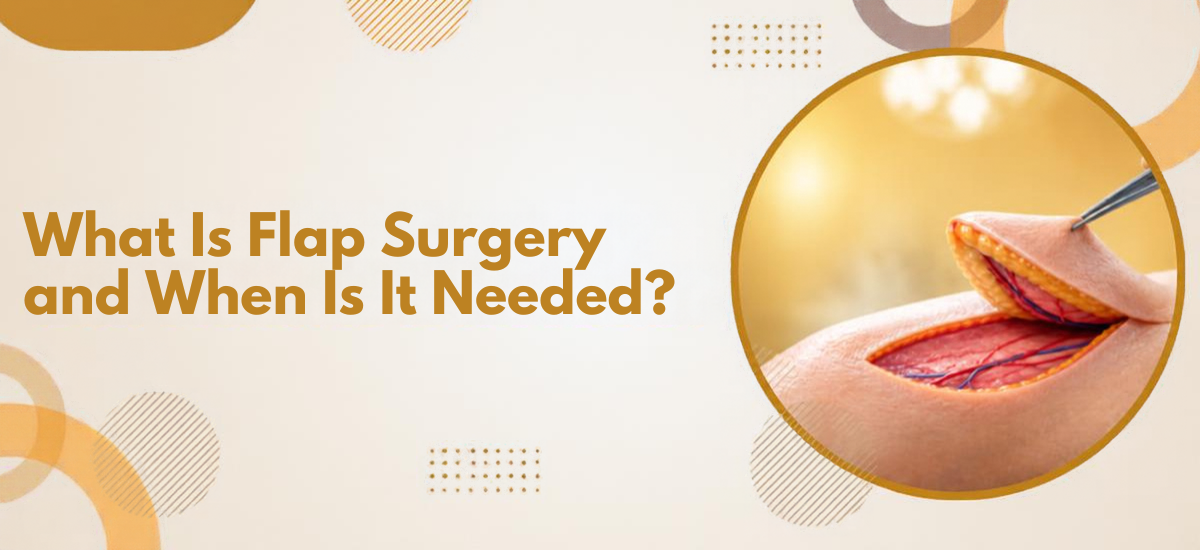
What Is Flap Surgery and When Is It Needed?

Posted on September 26, 2026October 13, 2026

Flap surgery moves healthy living tissue, along with its own blood supply, from one part of the body to another to rebuild a defect. It’s needed when a wound is too deep, too exposed or too poorly supplied with blood for a skin graft to survive. Bone, tendon or a joint showing? That’s flap territory. Grafts need a blood supply underneath them. Flaps bring their own.

According to Dr. Monisha Kapoor, a trusted plastic surgeon in Delhi, “A graft is a patch, a flap is living tissue on the move, and picking the wrong one is where most reconstructions quietly fail.”

Dealing with a wound that won’t close, or exposed tissue that skin alone can’t cover? Book a Consultation

How Does Flap Surgery Actually Work?

A flap keeps its blood vessels attached, so the tissue stays alive while it moves. That’s the whole trick.

  • Pedicled Flaps: Tissue stays tethered to its original blood supply and swings over to the defect like a hinge. Reliable, but only as far as the tether reaches.
  • Local Tissue: Borrowing skin from right beside the wound? Colour and texture match better than anything taken from elsewhere.
  • Free Flaps: Fully detached, then reconnected under a microscope, with vessels stitched to vessels barely wider than a thread. Hours of work, and it shows.
  • Muscle Cover: Sometimes skin isn’t the point. Muscle carries bulk and blood, and it fills deep wounds that skin never could.

Flap choice depends on defect size, depth and location, and every flap leaves a donor site scar somewhere. So once things heal, skin treatment can even out leftover colour and texture differences.

When Is Flap Surgery Needed?

Flaps get chosen when a graft can’t survive or can’t do the job. Not before.

  • Exposed Structures: Bone, tendon or hardware showing through a wound won’t accept a graft, because grafts need a healthy bed to live on.
  • Deep Burns: Burn over a knuckle or elbow? A graft alone tends to tighten and fail there, so flap cover often takes over.
  • Pressure Sores: These keep coming back unless bulky, well-supplied tissue replaces what died.
  • Cancer Removal: Once a tumour’s out and a large gap remains, a flap rebuilds what was taken so the area still works and looks right.

The decision comes down to blood supply, not appearance. And once a flap settles, questions about scar treatment come up almost every time.

Why Choose Dr. Monisha Kapoor?

Dr. Monisha Kapoor is MCh-qualified in plastic and reconstructive surgery, with over two decades in practice. Flap planning is judgement work, and she’s done enough of it to know when a graft will do and when it won’t.

Patients get a straight answer on which option fits, and why. No upselling a bigger operation than the wound needs. Wound not closing, or something exposed? Don’t sit on it.

📞 Call Now: +91 83739 84777

FAQs

Is flap surgery the same as a skin graft?
No, flaps carry their own blood supply while grafts don’t.

How long does flap surgery take?
Simple local flaps take about an hour, free flaps can take several hours.

Will a flap leave a scar?
Yes, at both the reconstructed area and the donor site.

Can a flap fail after surgery?
Rarely, but poor blood flow in the first days can compromise it.

References

  1. National Center for Biotechnology Information – Basic Flap Design
  2. National Center for Biotechnology Information – Burns Reconstruction

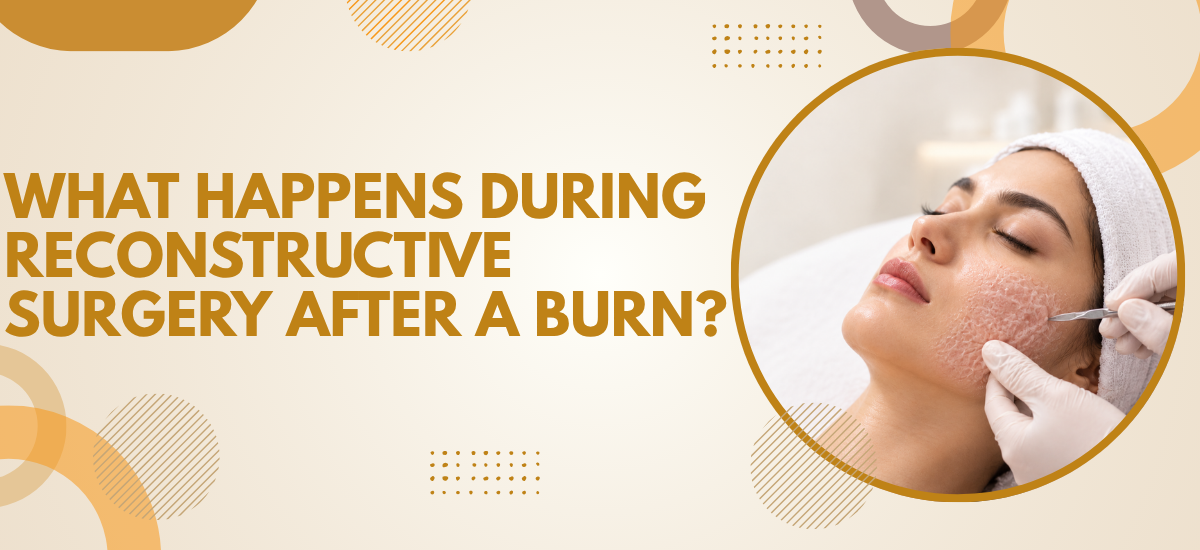
What Happens During Reconstructive Surgery After a Burn?

Posted on September 26, 2026October 13, 2026

Yes, reconstructive surgery after a burn follows a structured plan, and it’s built around how deep the burn went and which body part got hit. Surgeons stabilise the wound first, then move to grafting or flap work once the tissue bed’s actually ready, with scar revision or function-restoring surgery coming months later, sometimes longer. Survival first. Then movement. Then appearance. Because rushing that order almost always backfires, and the sequence depends entirely on burn depth and how the skin decides to heal.

According to Dr. Monisha Kapoor, a trusted plastic surgeon in Delhi, “Burn reconstruction isn’t one surgery, it’s a sequence, and pushing the scar revision stage before the wound has fully matured usually gives a worse result, not a better one.”

Noticed thickened, tight or discoloured skin at an old burn site that hasn’t settled with time? Book a Consultation

How Does Skin Grafting Restore Burned Skin?

Skin grafting replaces lost skin with healthy tissue lifted from an unaffected area on the same patient. Simple in concept. Less simple in execution.

  • Donor Site: Surgeons usually lift a thin layer from the thigh or back, since these spots heal fast and only leave a scar of their own to manage.
  • Graft Type: A split-thickness graft covers ground quickly, while a full-thickness graft gets saved for smaller, more visible areas like the hands or face.
  • Take Rate: Grafts need a clean, well-vascularised bed to survive, and even a small pocket of fluid underneath can wreck the whole patch within days.
  • Timing: Most surgeons won’t graft until dead tissue’s fully cleared. Too early, and it almost never takes.

Graft success depends heavily on wound bed preparation and how still the area’s kept afterward. And this kind of skin resurfacing work? It often continues well past the grafting stage.

What Does Later-Stage Burn Reconstruction Involve?

Later reconstruction focuses on releasing tight scar bands and restoring movement, not just closing wounds. That part’s usually done by now.

  • Contracture Release: Scar bands pulling across a joint, or across the neck, get surgically divided so the skin can stretch and movement comes back closer to normal.
  • Flap Surgery: When deep burns leave an area without its own blood supply, surgeons move tissue, vessels and all, from a nearby or distant site to rebuild both structure and function.
  • Tissue Expansion: A balloon-like expander sits under healthy skin near the scar. It gets inflated slowly over weeks, so the body grows extra skin to cover the area later.
  • Scar Revision: This one waits. Usually twelve to eighteen months, because scars keep changing colour and texture before they settle into a final shape.

Reconstruction stays staged on purpose, and rushing one phase tends to compromise the next. So patients asking about scar treatment usually end up asking about this exact timeline too.

Why Choose Dr. Monisha Kapoor?

Dr. Monisha Kapoor is an MCh-qualified plastic and reconstructive surgeon with over two decades of clinical experience in cosmetic and reconstructive procedures, including burn scar management. Her extensive experience allows her to approach complex reconstructive cases with careful planning, precision, and attention to each patient’s individual needs.

Patients are guided through each stage instead of being pushed toward surgery too soon, and function gets treated as seriously as appearance does. (Most clinics don’t bother balancing the two.) If a scar’s holding your movement, your skin, or your confidence hostage, that deserves a proper assessment, not a quick photo consult. 

📞 Call Now: +91 83739 84777

FAQs

Is reconstructive surgery after a burn always needed?
No, only burns causing scarring, contractures or functional loss usually need surgery.

How soon after a burn can reconstruction start?
Scar revision is typically delayed twelve to eighteen months after the injury heals.

Does skin grafting leave a scar at the donor site?
Yes, though donor site scars are usually flatter and less noticeable over time.

Can burn scars be completely removed through surgery?
No, surgery can improve texture and movement but cannot erase scars fully.

References

  1. World Health Organization – Burns
  2. National Center for Biotechnology Information – Burns Reconstruction

Can You Have Plastic Surgery If You Have Diabetes?

Posted on September 15, 2026October 13, 2026

Yes, in most cases, well-controlled diabetes doesn’t rule out plastic surgery. The real concern is blood sugar, because high glucose slows healing and raises the chance of infection. Surgeons usually ask for recent glucose readings and medical clearance before agreeing to an elective procedure. Poorly controlled diabetes can mean waiting, and that’s a safety decision, not a refusal.

According to Dr. Monisha Kapoor, plastic surgeon in Delhi, “diabetes isn’t the barrier, uncontrolled blood sugar is, and most of that can be fixed before we ever operate.”

Managing diabetes and wondering whether surgery is safe for you? Book a Consultation 

How Does Diabetes Affect Plastic Surgery Risk?

Diabetes changes how the body heals, and surgery puts that to the test.

  • Wound Healing: high blood sugar slows tissue repair, so incisions can take longer to close and scars may mature unevenly;
  • Infection Risk: elevated glucose weakens the body’s defence against bacteria, which is why surgical site infections are more common;
  • Circulation: narrowed blood vessels reduce the oxygen reaching a healing area, and that matters most for grafts and flaps;
  • Nerve Changes: neuropathy can dull sensation, so a problem under a dressing may go unnoticed for days;

Healing is the main variable here. Gentler, low-downtime options such as silk peel ask far less of the skin’s healing, which is worth discussing.

What Should Diabetic Patients Do Before Plastic Surgery?

Most of the safety work happens well before the day of surgery.

  • Glucose Control: a recent HbA1c and daily readings show how stable your sugar has been, and surgery may be postponed if it hasn’t been;
  • Medical Clearance: your physician or endocrinologist reviews heart, kidney and overall health before the procedure is confirmed;
  • Medication Plan: insulin and tablets are often adjusted or paused around surgery, and that plan should come from your doctors, never guesswork;
  • Lifestyle Habits: smoking cuts blood flow to healing tissue, so quitting well ahead of surgery improves results;

Careful preparation lowers the risk of poor scarring later (a point many patients overlook). So those who want the full picture often start with our pre-op checklist.

Why Choose Dr. Monisha Kapoor?

Dr. Monisha Kapoor, a plastic surgeon in Delhi, is MCh-qualified with over two decades of experience in plastic and reconstructive surgery. Healing risk gets assessed before any surgical plan is made, not after.

Patients with diabetes receive a frank assessment first. Surgery goes ahead only when the numbers and the medical team support it.

📞 Call Now: +91 83739 84777

FAQs

Is plastic surgery safe for people with type 2 diabetes?
Yes, when blood sugar is well controlled and a physician has cleared the patient.

Does diabetes slow healing after surgery?
Yes, high blood sugar can delay healing and raise infection risk.

Do I need to stop diabetes medication before surgery?
Some are adjusted or paused, and your medical team will advise which.

Can people with type 1 diabetes have cosmetic surgery?
Yes, with careful planning and close glucose monitoring around the procedure.

References

  1. National Center for Biotechnology Information – Diabetic Perioperative Management
  2. American Diabetes Association (ADA) – Diabetes management before, during, and after surgery.

Hair Transplant vs Wig: Which Is Worth the Cost?

Hair Transplant vs Wig
Posted on September 4, 2026July 15, 2026

A hair transplant is a permanent, one-time investment that uses the patient’s own follicles to restore natural growth, while a wig is a lower upfront cost that requires ongoing replacement, maintenance, and care. The transplant costs more initially but does not recur, whereas a wig is cheaper to start but accumulates cost over years of replacements. Which is worth it depends on the type of hair loss, the long-term budget, and whether the patient wants a permanent solution or a removable one.

According to Dr. Monisha Kapoor, a trusted plastic surgeon in Delhi, “Patients look at the sticker price of a transplant and compare it to a wig, but that is the wrong comparison. A transplant is a one-time cost for a permanent result using your own hair. A wig is a recurring cost forever. Over ten years the math’s often favours the transplant, and the result is genuinely yours.”

Hair Transplant Wig

Cost type

One-time Recurring

Permanence

Permanent

Temporary

Uses own hair Yes

No

Maintenance Minimal

Ongoing

Want to know if a hair transplant is worth it for your hair loss? Book a Consultation

How Do the Costs and Results Compare?

The comparison comes down to upfront cost versus long-term value, and the two differ in more than just price.

Hair Transplant
A transplant is a single procedure that permanently restores hair using the patient’s own DHT-resistant follicles, with a graft survival rate above 90 percent in suitable candidates. The cost is higher upfront but it does not recur, and the result grows, cuts, and styles like natural hair because it is natural hair.

Wig
A wig is far cheaper to buy initially and offers instant coverage, but quality wigs need replacing periodically, require ongoing maintenance, and never fully replicate the feel of growing hair. The recurring cost adds up substantially over years of use.

The Long-Term Maths
Over a ten-year horizon, the repeated cost of replacing and maintaining wigs often approaches or exceeds the one-time cost of a transplant, which changes the value comparison significantly.

Beyond Cost
A transplant is permanent and maintenance-free once grown, while a wig is removable and requires daily handling. This practical difference matters as much as the money for many patients.

Full detail on the hair transplant procedure and candidacy is on the hair transplant service page.

Which One Is Worth It for You?

The right choice depends on the hair loss, the budget horizon, and what the patient values in a solution.

Choose a Hair Transplant If
You have a stable donor area, want a permanent result using your own hair, and can view the cost as a one-time investment rather than an upfront expense to minimize.

Choose a Wig If
You need immediate full coverage, have hair loss unsuitable for transplant such as insufficient donor supply, or prefer a lower upfront cost and a removable option.

When a Transplant Is Not Possible
Patients with total hair loss or an inadequate donor zone may not be transplant candidates, in which case a quality wig is the practical solution regardless of the cost comparison.

Thinking Long Term
Viewing the decision over a five to ten year horizon rather than just the upfront price is what reveals the real value, and for many suitable candidates the transplant proves the better long-term investment.

Patients wanting guidance on choosing the right surgeon before committing to a permanent transplant can read through the cosmetic surgeon in Delhi blog, which covers credentials and what to verify before booking.

Why Choose Dr. Monisha Kapoor?

Dr. Monisha Kapoor is India’s first woman aesthetic plastic surgeon admitted to the American Society of Aesthetic Plastic Surgery, a Gold Medalist in MCh Plastic Surgery, and holds active membership with ISAPS, with 25+ years of practice and over 10,000 procedures. Hair transplant consultations at her Saket clinic start with an honest assessment of whether the patient is a suitable candidate and what the donor supply can realistically achieve, so the investment delivers the permanent result it promises.

📞 Call Now: +91 83739 84777

FAQs

Is a hair transplant cheaper than a wig long term?
Often yes. A transplant is a one-time cost while wigs recur through replacement and maintenance, so over years the transplant can prove more economical.

Does a hair transplant look more natural than a wig?
Yes. A transplant uses the patient’s own growing hair, so it looks and behaves entirely naturally, unlike even a high-quality wig.

Who is not suitable for a hair transplant?
Patients with total hair loss or an insufficient donor zone may not be candidates, in which case a wig remains the practical option.

How long does a hair transplant result last?
Transplanted follicles are permanent. The result lasts a lifetime, though managing ongoing native hair loss protects the surrounding hair.

References

  1. National Library of Medicine — Hair Transplant Outcomes and Long-Term Graft Survival: https://pubmed.ncbi.nlm.nih.gov/24267527/
  2. National Library of Medicine — Cost-Effectiveness of Hair Restoration Options: https://pubmed.ncbi.nlm.nih.gov/28481798/

Surgical vs Non-Surgical Nose Job: Pros and Cons

Surgical vs Non-Surgical Nose Job
Posted on September 3, 2026July 15, 2026

A surgical nose job, or rhinoplasty, permanently reshapes the nose by altering bone and cartilage, while a non-surgical nose job uses dermal fillers to add volume and smooth contours temporarily without any surgery. The key difference is that surgery can both add and reduce, correcting bumps, width, tip shape, and breathing, whereas fillers can only add volume to camouflage certain irregularities. Choosing between them comes down to whether the concern needs reduction or refinement, and how permanent a result the patient wants.

According to Dr. Monisha Kapoor, a trusted plastic surgeon in Delhi, “The non-surgical nose job is a genuinely useful option, but only for the right concern. Filler can smooth a small bump or refine a slight asymmetry by adding volume. It cannot make a nose smaller or fix breathing. When patients understand what each can and cannot do, choosing between them becomes straightforward.”

Surgical Rhinoplasty Non-Surgical Nose Job

Result

Permanent 12 to 18 months

Can reduce

Yes

No

Downtime One to two weeks

Minimal

Reversible No

Yes

Want to know which nose job suits your specific concern? Book a Consultation

How Does Each Nose Job Work and What Are the Pros and Cons?

The two approaches work through entirely different mechanisms, and each carries its own advantages and limitations.

Surgical Rhinoplasty
Surgery reshapes the underlying bone and cartilage to reduce a hump, refine the tip, narrow the width, or correct breathing, delivering a permanent, comprehensive result. The tradeoff is a recovery period, a higher cost, and the fact that the result is permanent, so the planning has to be right.

Non-Surgical Nose Job with Filler
Filler is injected to add volume that camouflages a small bump, lifts the tip slightly, or balances a minor asymmetry, with results visible immediately and almost no downtime. The limitation is that it only adds volume, lasts 12 to 18 months, and cannot make any part of the nose smaller.

The Key Distinction
Surgery can both add and remove structure, so it handles the full range of concerns including reduction and function. Filler can only add, so it suits camouflage of minor irregularities rather than genuine reshaping.

When Each Makes Sense
Patients wanting permanent change, reduction, or breathing correction need surgery. Those wanting to smooth a minor irregularity temporarily or preview a change before committing are suited to filler.

Full detail on surgical rhinoplasty and its techniques is on the rhinoplasty service page.

Which One Should You Choose?

The right choice follows the concern and the result the patient actually wants rather than which option sounds easier.

Choose Surgical Rhinoplasty If
You want a permanent result, need to reduce the size of the nose or a hump, or have a breathing concern alongside the cosmetic one that only surgery can address.

Choose a Non-Surgical Nose Job If
Your concern is a small bump, slight asymmetry, or a tip that needs minor lifting, and you prefer a temporary, no-downtime option that can be adjusted or reversed.

Using Filler as a Preview
Some patients use a non-surgical nose job to preview the effect of added volume before deciding whether to commit to permanent surgery, which can be a useful steppingstone.

What Filler Cannot Do
Filler cannot reduce a large nose, correct significant deviation, or improve breathing. Expecting surgical-level change from a non-surgical treatment is the most common source of disappointment.

Patients wanting to understand the surgical recovery timeline and when results settle can read through the rhinoplasty swelling blog, which covers the full healing process in detail.

Why Choose Dr. Monisha Kapoor?

Dr. Monisha Kapoor is India’s first woman aesthetic plastic surgeon admitted to the American Society of Aesthetic Plastic Surgery and holds active membership with ISAPS, with 25+ years of practice and over 10,000 procedures including more than 300 Piezo rhinoplasty cases. Nose consultations at her Saket clinic start with identifying whether the concern needs surgical reshaping or can be addressed with filler, so patients choose the right approach for their actual goal rather than the one that sounds simpler.

📞 Call Now: +91 83739 84777

FAQs

Can a non-surgical nose job make my nose smaller?
No. Filler only adds volume to smooth or balance the nose. Reducing the size of the nose requires surgical rhinoplasty.

How long does a non-surgical nose job last?
Results typically last 12 to 18 months before the filler metabolizes and the treatment needs repeating to maintain the effect.

Is a non-surgical nose job reversible?
Yes. Hyaluronic acid filler can be dissolved with hyaluronidase if the result is not what the patient wanted, unlike surgery which is permanent.

Which is safer, surgical or non-surgical?
Both are safe in experienced hands. A non-surgical nose job carries fewer risks but requires a skilled injector, as the nose is a high-risk area for filler placement.

References

  1. National Library of Medicine — Non-Surgical Rhinoplasty with Fillers: Outcomes and Safety: https://pubmed.ncbi.nlm.nih.gov/28481798/
  2. National Library of Medicine — Surgical Rhinoplasty: Techniques and Long-Term Results: https://pubmed.ncbi.nlm.nih.gov/24267527/

What Is Silk Peel and How Does It Clear Skin?

Silk Peel for Clear Skin
Posted on September 3, 2026July 15, 2026

Silk Peel is a non-invasive dermalinfusion treatment that exfoliates the skin, extracts impurities, and infuses targeted serums deep into the skin all in a single step, with no downtime. Unlike a standard chemical peel that relies on acids to remove the surface, Silk Peel uses a diamond-tip handpiece to physically resurface the skin while simultaneously delivering active ingredients into the freshly exfoliated layer. This combination clears congestion, brightens dullness, and improves texture, making it a popular choice for an immediate glow without the peeling or recovery of more aggressive treatments.

According to Dr. Monisha Kapoor, a trusted cosmetic surgeon in Delhi, “Silk Peel does three things at once, which is what makes it effective. It exfoliates, it extracts, and it infuses serums into skin that is ready to absorb them. The result is immediate brightness with no downtime, which is why patients like it before an event or as a regular maintenance treatment.”

Want to know if Silk Peel suits your skin concern? Book a Consultation

How Does Silk Peel Clear and Brighten the Skin?

Three separate things run together in one pass, and that is what a plain facial or an acid peel never quite manages.

Diamond-Tip Exfoliation
A diamond tip sweeps across the skin and lifts off the dead cells and grime that leave it looking flat, no acid anywhere in sight.

Deep Extraction
Gentle suction pulls the trapped gunk out of your pores, so the blackheads and congestion dragging your complexion down finally clear.

Serum Infusion
Serums matched to your skin, maybe brightening, maybe hydration, sink straight into that freshly cleared layer, which drinks them far better than tired skin would.

Immediate, No-Downtime Results
Nothing invasive happens here, so you walk out brighter on the spot, no flaking and nothing to recover from, which is why it fits so neatly before an event.

Full detail on the Silk Peel treatment and what it involves is on the silk peel service page.

Who Is It for and What Results Can You Expect?

Silk Peel handles a fair range of concerns, and being straight about what it delivers keeps hopes sensible.

Congestion and Dullness
Clogged pores, blackheads, and a lifeless complexion lift noticeably once the exfoliation and suction clear out what sits underneath.

Uneven Texture and Tone
Rough patches smooth over, and with the right serum in the mix, the tone evens itself out across a handful of visits.

Pre-Event Glow
Zero downtime and instant brightness have made it the quiet favourite a few days before a wedding or any night that counts.

What to Expect from Results
Brightness shows up straight away, but the real staying power comes from a run of sessions with an occasional top-up along the way.

Patients specifically concerned with pigmentation and how it is treated can read through the skin pigmentation blog, which covers causes and treatment approaches in detail.

Why Choose Dr. Monisha Kapoor?

Dr. Monisha Kapoor is India’s first woman aesthetic plastic surgeon admitted to the American Society of Aesthetic Plastic Surgery and holds active membership with ISAPS, with 25+ years of practice and over 10,000 procedures. Silk Peel treatments at her Saket clinic use serums selected specifically for the patient’s skin concern, delivering targeted, professional-grade results rather than a generic surface facial.

📞 Call Now: +91 83739 84777

FAQs

Is Silk Peel better than a regular facial?
Silk Peel goes further than a standard facial by combining exfoliation, extraction, and deep serum infusion in one step for more noticeable results.

Is there any downtime after Silk Peel?
No. The skin looks brighter immediately with no peeling or recovery, making it suitable even right before an event.

How often should I get Silk Peel?
A session every four to six weeks maintains results, as regular treatment keeps congestion and dullness from building back up.

Is Silk Peel suitable for sensitive skin?
Yes. It is gentler than acid-based peels and the serums are selected to suit the patient’s skin type and sensitivity.

References

  1. National Library of Medicine — Dermalinfusion for Skin Rejuvenation: Clinical Outcomes: https://pubmed.ncbi.nlm.nih.gov/26039966/
  2. National Library of Medicine — Microdermabrasion and Serum Infusion in Skin Care: https://pubmed.ncbi.nlm.nih.gov/23688455/

Posts pagination

Page 1 Page 2 Next page

Month: September 2026

Recent Posts

  • Can Burn Contractures Limit Movement and How Are They Treated?
  • What Medical Tests Are Needed Before Plastic Surgery?
  • Can You Have Surgery If You Take Blood Thinners?
  • Can High Blood Pressure Affect Plastic Surgery?
  • Can Anemia Affect Your Eligibility for Plastic Surgery?

Archives

  • October 2026
  • September 2026
  • August 2026
  • July 2026
  • June 2026
  • May 2026
  • December 2023
  • July 2023
  • April 2023
  • July 2020
  • June 2020
  • November 2019
  • August 2019
  • August 2018
  • April 2018
  • March 2018
  • January 2018
  • December 2017
  • October 2017
  • September 2017
  • July 2017
  • June 2017
  • April 2017
  • December 2016
  • November 2016
  • October 2016
  • September 2016
  • August 2016
  • July 2016
Footer – Dr. Monisha Kapoor
Plastic Surgeon · Delhi NCR
Dr. Monisha Kapoor

Dr. Monisha Kapoor

M.Ch. Plastic Surgery  ·  25+ Years of Practice  ·  10K+ Procedures

About

A practice built on precision. Board-certified plastic surgeon affiliated with the International Society of Aesthetic Plastic Surgery and the American Society of Aesthetic Plastic Surgery. Every consultation begins with listening — and every outcome is designed around your anatomy, your goals, and your vision of yourself.

Navigation

  • Dr's Desk
  • Facilities & Infrastructure
  • Blog
  • News & Updates
  • Career
  • Contact
  • Privacy Policy

Contact

18, Block J, Saket
New Delhi – 110017
011-40666307 / 08
+91 83739 84777
+91 8860851727
plasticsurgeonmonisha@gmail.com
Follow Connect

Disclaimer: The information on this website is provided for informational purposes only and is not meant to substitute the advice of your doctor or other healthcare professional. You should not use this information for diagnosing or treating a health problem or disease, or prescribing any medication. All images used are for illustrative purposes only; actual results and process may vary.

© 2026 plasticsurgeonmonisha.com All Rights Reserved

    Doctor

    Dr. Monisha Kapoor

    Delhi's Top Plastic Surgeon


    25+ Years Experience

    10,000+ Happy Customers
    Hair, Skin, Body, Face

    Book An Appointment

    WhatsApp
    HiHello 👋, welcome to Dr. Monisha Kapoor Aesthetics
    Can we help you?
    Open Chat
    Powered by Joinchat