Book An Appointment 📞 Call Now
Dr. Monisha Kapoor
  • Home
  • About Us
  • Treatments
    • Hair
      • Hair Transplant
    • Body
      • Liposuction
      • Six Pack Abs
      • Hour Glass Shape
      • Brazilian Butt Lift
      • Thigh Gap
      • Full Body Lift
      • Vaginal Revitalisation
      • Hand & Feet Revitalisation
      • Tummy Tuck
      • Breast Surgery
      • Male Chest Reshaping
      • Male Chest Reduction
      • Mommy Makeover
      • Men Makeover
    • Skin
      • Zein Obegi's Skin Treatment
      • Chemical Peels
      • Hydra Facial
      • Silk Peel
      • Pelleve Skin Tightening
      • IPL Foto Facials
      • Tri Active Deka Peel
      • Tattoo Removal
      • Laser Skin Toning
      • Laser Hair Reduction
      • Full Body Polishing
      • Halo BBL
    • Face
      • Acne Scar Treatment
      • Face & Neck Lift
      • Forehead
      • Neurotoxin and Fillers
      • Brows
      • Eyes
      • Nose
      • Cheeks
      • Lips
      • Chin
      • Face Bone Alteration
      • Dimple Creation
      • Face Thinning
      • Permanent Makeup
  • Resources
    • Facilities & Infrastructure
    • Media
    • Photos
    • Blog
    • Case Studies
  • Contact Us
+91-8860851727

Blog

Recent Posts

  • Can Liposuction Treat Stubborn Belly Fat for Good?
  • What Is a Non-Surgical Vaginal Rejuvenation?
  • Breast Reduction Recovery: Full Healing Timeline
  • Cheek Fillers vs Cheek Implants: Which Suits You?
  • Female Hair Transplant: Is It Different for Women?

Archives

  • August 2026
  • July 2026
  • June 2026
  • May 2026
  • December 2023
  • July 2023
  • April 2023
  • July 2020
  • June 2020
  • November 2019
  • August 2019
  • August 2018
  • April 2018
  • March 2018
  • January 2018
  • December 2017
  • October 2017
  • September 2017
  • July 2017
  • June 2017
  • April 2017
  • December 2016
  • November 2016
  • October 2016
  • September 2016
  • August 2016
  • July 2016

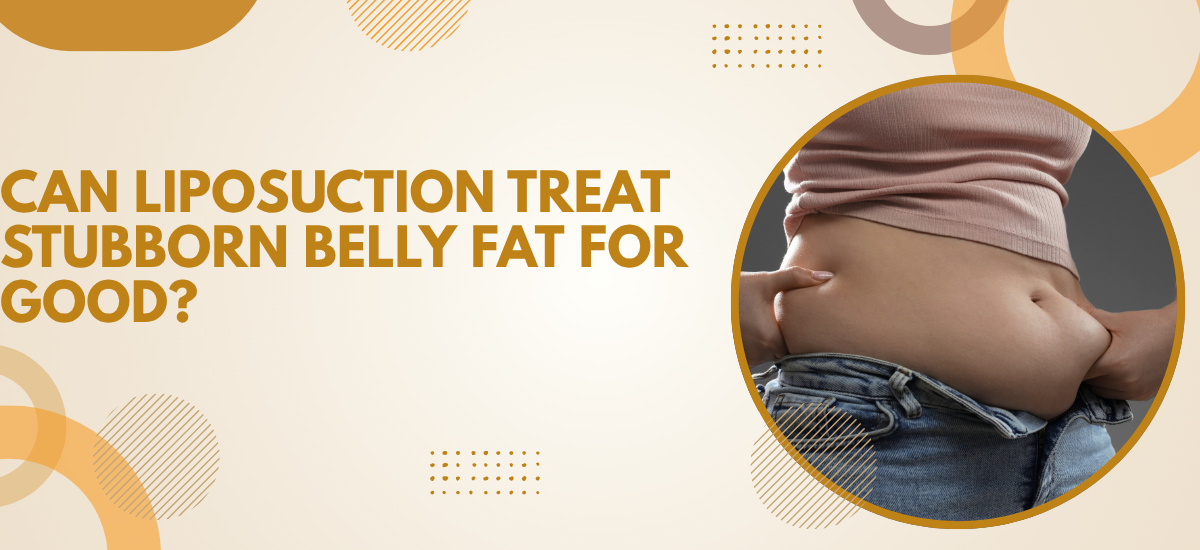
Can Liposuction Treat Stubborn Belly Fat for Good?

Liposuction for Stubborn Belly Fat
Posted on August 27, 2026July 14, 2026

Yes, liposuction removes stubborn belly fat permanently because the fat cells taken out do not grow back in the treated area. The lower abdomen is one of the most common problem zones patients bring in, where a specific pocket of fat stays put no matter how clean the diet or how consistent the training. Liposuction targets that fat directly and removes it, but the result only holds if weight stays stable afterward, since remaining fat cells elsewhere can still enlarge with weight gain.

According to Dr. Monisha Kapoor, a trusted cosmetic surgeon in Delhi, “The fat cells removed during liposuction are gone for good in that area. What patients need to understand is that liposuction changes the shape of the body, not the number on the scale. Maintain your weight and the belly result holds. Gain significantly and untreated areas can still fill out.”

Want to know if liposuction suits your stubborn belly fat? Book a Consultation

How Does Liposuction Remove Stubborn Belly Fat?

The procedure targets fat cells directly and removes them through small incisions rather than shrinking them the way dieting does.

Permanent Fat Cell Removal
A thin cannula breaks up and suctions out fat cells from the abdomen, and those cells do not regrow in the treated zone. This is what separates liposuction from weight loss, which only shrinks existing fat cells.

Technique Matched to the Belly
Tumescent, VASER, and power-assisted techniques are each suited to different fat densities. VASER liquefies fibrous fat before removal, which is useful for firmer abdominal areas or zones treated before.

High-Definition Option
For patients wanting visible abdominal definition, high-def liposuction removes fat from around the muscle borders to reveal the underlying structure. It reveals existing muscle rather than creating it.

Small Incisions, Minimal Scarring
Incisions are only 3 to 4 millimeters and placed in discreet locations, fading to near-invisible within a few months of healing.

Full detail on techniques, candidacy, and recovery is on the liposuction service page.

Who Is a Good Candidate and Will the Result Last?

Liposuction works best for a specific patient profile, and the result holding long term comes down to a few factors within the patient’s control.

Close to Target Weight
The strongest candidates are within about 30 percent of their ideal weight with a specific stubborn pocket rather than general excess. Liposuction is a contouring tool, not a weight loss substitute.

Good Skin Elasticity
Skin needs to contract and conform to the new contour after fat removal. Loose or stretched abdominal skin may need a tummy tuck alongside liposuction for a clean result.

Stable Weight Afterward
Results hold when weight stays stable. Significant weight gain after the procedure can cause fat to accumulate in untreated areas and change the overall proportions achieved.

Not a Cellulite or Obesity Treatment
Liposuction removes fat cells but does not smooth cellulite or replace weight loss. Patients whose main concern is either need a different approach entirely.

Patients weighing liposuction against skin-tightening options for the abdomen can read through the tummy tuck blog, which covers how the two procedures differ and when each is the right choice.

Why Choose Dr. Monisha Kapoor?

Dr. Monisha Kapoor is India’s first woman aesthetic plastic surgeon admitted to the American Society of Aesthetic Plastic Surgery and holds active membership with ISAPS, with 25+ years of practice and over 10,000 procedures. Liposuction at her Saket clinic is planned around each patient’s actual body proportions and skin behavior rather than a standard protocol, which is what keeps the belly result looking natural and proportionate rather than over-corrected.

📞 Call Now: +91 83739 84777

FAQs

Is liposuction belly fat removal permanent?
Yes. The fat cells removed do not return in the treated area. Stable weight after the procedure keeps the result holding long term.

How much belly fat can liposuction remove?
Liposuction typically removes one to four kilograms of fat. It is a contouring procedure focused on shape, not a large-volume weight loss treatment.

Will belly fat come back after liposuction?
Not in the treated area. Significant weight gain can cause fat to accumulate in untreated zones, which is why stable weight matters.

Do I need a tummy tuck instead of liposuction?
If loose abdominal skin or separated muscles are the concern, a tummy tuck may be needed. Liposuction alone addresses fat, not skin laxity.

References

  1. National Library of Medicine — Liposuction for Abdominal Contouring: Outcomes and Fat Cell Removal: https://pubmed.ncbi.nlm.nih.gov/26371717/
  2. National Library of Medicine — Long-Term Results and Weight Stability After Liposuction: https://pubmed.ncbi.nlm.nih.gov/22373014/

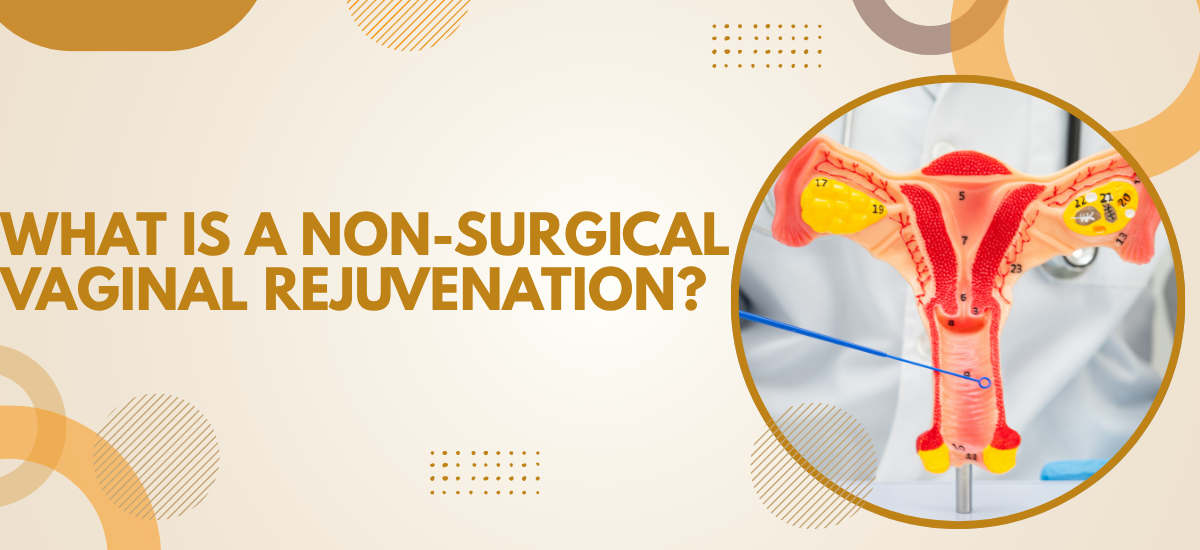
What Is a Non-Surgical Vaginal Rejuvenation?

Non-Surgical Vaginal Rejuvenation
Posted on August 26, 2026July 14, 2026

Non-surgical vaginal rejuvenation uses laser or energy-based technology to tighten vaginal tissue, improve tone, and address mild to moderate laxity without any incisions, anesthesia, or downtime. At Dr. Monisha Kapoor’s clinic, the treatment is delivered using Femi lift, a laser system that stimulates collagen production in the vaginal walls to restore firmness and improve function. It suits women who want improvement without surgery, or whose concerns are not significant enough to warrant a surgical procedure.

According to Dr. Monisha Kapoor, a trusted cosmetic surgeon in Delhi, “Non-surgical vaginal rejuvenation gives women a real option between doing nothing and having surgery. For mild to moderate laxity, age-related changes, and dryness, laser treatment delivers meaningful improvement without downtime. Where the laxity is significant, surgery remains the better answer and being honest about that distinction matters.”

Want to know whether non-surgical or surgical rejuvenation suits your concern? Book a Consultation

How Does Non-Surgical Vaginal Rejuvenation Work?

The treatment uses controlled laser energy to trigger the body’s own collagen response in the vaginal tissue.

Laser-Stimulated Collagen Production
Femilift delivers fractional laser energy to the vaginal walls, creating controlled micro-zones of thermal stimulation that trigger new collagen and elastin formation. As this new collagen develops over the weeks following each session, the tissue becomes firmer, thicker, and more toned without any surgical tightening involved.

Improved Tissue Quality and Moisture
Beyond tightening, the collagen stimulation improves the overall quality of the vaginal tissue, which helps with the dryness and thinning that often come with menopause and declining estrogen. This makes it useful for women whose primary concern is comfort and tissue health rather than laxity alone.

Support for Mild Stress Incontinence
By strengthening the tissue around the urethra and improving structural support, laser rejuvenation can help with mild stress urinary incontinence, the involuntary leakage that happens when coughing, sneezing, or exercising. Significant incontinence still needs surgical or specialist management, but mild cases often respond well.

A Course of Sessions with No Downtime
The treatment is delivered across a short course of sessions spaced several weeks apart, each taking only minutes with no anesthesia and no recovery period. Patients return to normal activity the same day, which is the core advantage over surgical vaginoplasty for suitable candidates.

Full detail on both non-surgical Femilift and surgical vaginal tightening options is on the vaginal rejuvenation service page.

Who Is Suitable and When Is Surgery the Better Option?

Non-surgical rejuvenation works within a specific range, and being clear about where that range ends prevents patients from expecting more than the treatment can deliver.

Best for Mild to Moderate Laxity
Women with mild to moderate vaginal laxity, early age-related changes, or tissue dryness are the strongest candidates for laser rejuvenation. The improvement is real and holds with occasional maintenance sessions.

Ideal for Women Avoiding Surgery
Patients who cannot take downtime, are not ready for a surgical procedure, or whose concerns do not justify surgery get a genuine benefit from the non-surgical route without the recovery a surgical option requires.

When Surgery Is the Better Answer
Significant laxity after multiple vaginal deliveries, substantial structural change, or labial concerns that need reshaping are beyond what laser can adequately correct. Surgical vaginoplasty or labiaplasty delivers the structural correction that energy-based treatment cannot replicate in these cases.

Realistic Expectations Matter
Non-surgical rejuvenation improves tissue quality and mild laxity progressively it does not produce the dramatic tightening of surgery. Patients who understand this distinction going in are consistently more satisfied than those expecting a surgical result from a non-surgical treatment.

Patients wanting to understand the surgical option and what vaginoplasty involves can read through the vaginoplasty blog, which covers the procedure and recovery in detail.

Why Choose Dr. Monisha Kapoor?

Dr. Monisha Kapoor is India’s first woman aesthetic plastic surgeon admitted to the American Society of Aesthetic Plastic Surgery and holds active membership with ISAPS, with 25+ years of practice and over 10,000 procedures. Being treated by a female surgeon in a private clinical setting makes a meaningful difference for intimate concerns, and consultations at her Saket clinic include an honest assessment of whether non-surgical laser treatment will deliver what the patient wants or whether surgery is the more appropriate route.

📞 Call Now: +91 83739 84777

FAQs

Is non-surgical vaginal rejuvenation painful?
No. Femilift laser treatment is well tolerated, involves no anesthesia, and most patients describe only a mild warming sensation during the session.

How many sessions are needed?
Most patients need a short course of three sessions spaced several weeks apart, with occasional maintenance sessions to sustain the result.

Is there any downtime after laser vaginal rejuvenation?
No. Patients return to normal activity the same day. Intimacy is typically avoided for a few days as advised by the clinic.

Can laser rejuvenation replace surgery?
For mild to moderate concerns, yes. Significant laxity after multiple childbirths usually needs surgical vaginoplasty for a lasting result.

References

  1. National Library of Medicine — Laser-Based Vaginal Rejuvenation: Mechanisms and Outcomes: https://pubmed.ncbi.nlm.nih.gov/27613483/
  2. National Library of Medicine — Energy-Based Devices for Vaginal Laxity and Tissue Health: https://pubmed.ncbi.nlm.nih.gov/28268162/

Breast Reduction Recovery: Full Healing Timeline

Breast Reduction Recovery
Posted on August 25, 2026July 14, 2026

Breast reduction recovery is generally smoother than patients expect, largely because the procedure relieves the physical strain of oversized breasts almost immediately. Most patients feel the neck, back, and shoulder relief within days, even while the surgical site is still healing. The full healing timeline runs across several months, with the first six weeks being where the restrictions matter most for protecting the repair and the scar quality.

According to Dr. Monisha Kapoor, a trusted cosmetic surgeon in Delhi, “Breast reduction patients recover well because the procedure removes a physical burden they have carried for years. The relief is immediate. What needs patience is the scar maturation and the final shape settling, both of which take months rather than weeks, and following the restrictions properly is what protects the outcome.”

Want to understand the full recovery before deciding on breast reduction? Book a Consultation

What Happens Week by Week During Breast Reduction Recovery?

Recovery follows a predictable pattern and the restrictions ease progressively as healing advances.

Days 1 to 3
Swelling, bruising, and soreness are heaviest in this window and prescribed pain medication manages it well. A surgical support bra is worn continuously to support the new breast position and reduce swelling. Most patients go home the same day or after one overnight stay. Immediate relief from the weight of the previous breast size is often noticeable straight away despite the surgical soreness.

Days 4 to 7
Discomfort reduces and most patients move around the house comfortably. Drains, where used, are typically removed within this period. Many patients return to light desk work by the end of the first week, though anything involving reaching, lifting, or upper body strain remains off limits. Sleeping on the back with the upper body slightly elevated is required.

Weeks 2 to 4
Swelling continues to reduce and the breast shape begins to settle. The support bra continues day and night. Light daily activity is fine but no lifting, no upper body exercise, and no strenuous movement. Sensation changes around the nipple and breast skin are common at this stage and usually resolve progressively over the following months.

Weeks 4 to 6
Most patients are cleared to return to normal daily routines and light exercise involving the lower body. Upper body exercise and heavy lifting remain restricted through the six-week mark. The breast shape is clearer now though swelling has not fully resolved. Scars are still in their early stage and will look red or raised before they mature.

Months 2 to 6 and Beyond
The final breast shape settles as residual swelling resolves across the first three months. Scars begin maturing and fading from around two months, continuing to improve for up to a year. The final scar appearance and breast shape are assessed at six to twelve months post-surgery.

Full detail on breast reduction surgery and the techniques used is on the breast surgery service page.

What Should Patients Avoid During Breast Reduction Recovery?

Each restriction during recovery protects a specific part of the healing process and the final result.

Upper Body Lifting and Exercise
Lifting, pushing, pulling, and upper body workouts strain the healing incisions and the internal repair before they have gained strength. Six weeks of restriction is standard, and returning early risks widening the scars and disrupting the reshaped tissue.

Skipping the Support Bra
The surgical support bra holds the breast in its new position, reduces swelling, and supports the tissue as it heals. Wearing it inconsistently through the first six weeks affects both how the shape settles and how the swelling resolves.

Sun Exposure on Scars
Fresh scars exposed to sun darken permanently and take much longer to fade. Keeping scars covered and out of direct sun for the first several months is one of the simplest things a patient can do to improve the final scar appearance.

Smoking During Recovery
Smoking constricts blood flow and significantly impairs wound healing, raising the risk of poor scarring and delayed recovery. Patients need to avoid smoking well before surgery and throughout the recovery period for the skin to heal properly.

Patients wanting to understand the breast reduction procedure itself, candidacy, and what surgery involves can read through the breast reduction blog, which covers all of this in detail.

Why Choose Dr. Monisha Kapoor?

Dr. Monisha Kapoor is India’s first woman aesthetic plastic surgeon admitted to the American Society of Aesthetic Plastic Surgery and holds active membership with ISAPS, with 25+ years of practice and over 10,000 procedures. Breast reduction patients at her Saket clinic receive a detailed recovery guide and scheduled follow-ups throughout the healing period, with technique chosen to preserve the best possible scar quality and breast function for each individual case.

📞 Call Now: +91 83739 84777

FAQs

How long does breast reduction recovery take?
Most patients return to desk work within five to seven days. Full activity resumes at six weeks. The final shape and scar appearance settle over six to twelve months.

When can I exercise after breast reduction?
Lower body light exercise resumes around four to six weeks. Upper body exercise and heavy lifting are restricted until at least six weeks, subject to how healing has progressed.

Will I lose nipple sensation after breast reduction?
Temporary changes in nipple and breast sensation are common and usually resolve over the following months. Permanent sensation change is uncommon with modern pedicle techniques.

How long do I need to wear the support bra?
The surgical support bra is worn continuously for the first six weeks, day and night, before transitioning to a normal supportive bra as advised by the surgeon.

References

  1. National Library of Medicine — Reduction Mammoplasty: Recovery and Post-Operative Outcomes: https://pubmed.ncbi.nlm.nih.gov/26371717/
  2. National Library of Medicine — Scar Maturation and Healing After Breast Reduction Surgery: https://pubmed.ncbi.nlm.nih.gov/28481798/

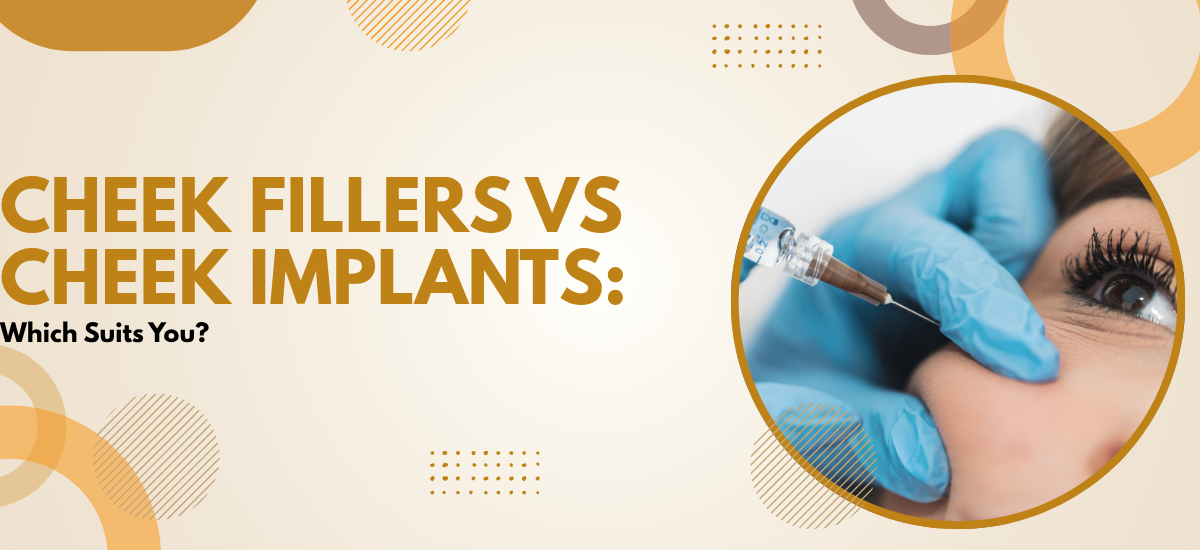
Cheek Fillers vs Cheek Implants: Which Suits You?

Cheek Fillers vs Cheek Implants
Posted on August 24, 2026July 14, 2026

Cheek fillers and cheek implants both add volume and definition to the midface, but one is a temporary injectable and the other is permanent surgery. Fillers use hyaluronic acid to restore volume and lift for 12 to 18 months. Implants place a solid, custom-shaped material over the cheekbone permanently. The right choice comes down to how much change you want, whether you want it permanent, and what your existing bone structure needs.

According to Dr. Monisha Kapoor, a trusted cosmetic surgeon in Delhi, “Fillers and implants solve the same visual concern through completely different commitments. Filler is reversible and low risk but temporary. An implant is a permanent structure. The decision is less about which is better and more about whether the patient wants to maintain a result forever or fix it once.”

Cheek Fillers

Cheek Implants

Duration

12 to 18 months Permanent

Procedure

Injectable

Surgical

Downtime Minimal

One to two weeks

Reversible Yes

No

Want to know which cheek enhancement suits your anatomy and goal? Book a Consultation

How Do Cheek Fillers and Cheek Implants Each Work?

Both add midface volume but through entirely different mechanisms, timelines, and levels of commitment.

Cheek Fillers
Hyaluronic acid filler is injected into specific zones over the cheekbone to restore lost volume, lift the midface, and sharpen definition. Results are immediate, adjustable across sessions, and fully reversible with hyaluronidase if the outcome is not what the patient wanted. The tradeoff is that the filler metabolises over 12 to 18 months and needs repeating to maintain the result.

Cheek Implants
A solid, anatomically shaped implant is placed over the cheekbone through an incision inside the mouth, adding permanent projection and structure. It suits patients whose concern is a genuinely flat or underdeveloped cheekbone rather than age-related volume loss. Because it is permanent, the planning and sizing decision carries more weight than with filler, and revision requires further surgery.

Where They Overlap
Both address a flat or undefined midface and both add cheekbone projection. The visual result in the first year can look similar. The distinction is entirely about permanence, reversibility, and whether the underlying concern is soft tissue volume loss, which filler handles well, or structural bone deficiency, where an implant is the more logical long-term answer.

Full detail on cheek augmentation options including both filler and surgical routes is on the cheek implants service page.

Which One Should You Choose?

The decision comes down to a few clear factors rather than one being universally better than the other.

Choose Cheek Fillers If
You want to test the look before committing, your concern is age-related volume loss rather than bone structure, or you prefer a reversible, low-downtime option. Fillers suit patients who are comfortable maintaining the result with periodic top-ups.

Choose Cheek Implants If
Your cheekbones are genuinely flat or underdeveloped structurally, you want a permanent one-time solution, or you have been maintaining filler for years and want to stop the ongoing cycle. Implants suit patients certain about the change they want.

When Filler Is the Safer Starting Point
Patients unsure how much volume suits their face are better starting with filler. It shows them the result of added midface projection without a permanent commitment, and that preview often informs whether an implant is worth pursuing later.

When Neither Alone Is Enough
Significant age-related midface descent sometimes needs a lift rather than volume addition alone. In these cases filler or implants address volume but not the descent, and a combined surgical approach may be the more complete answer.

Patients comparing surgical and non-surgical facial reshaping more broadly can read through the face contouring blog, which covers both approaches and when each is appropriate.

Why Choose Dr. Monisha Kapoor?

Dr. Monisha Kapoor is India’s first woman aesthetic plastic surgeon admitted to the American Society of Aesthetic Plastic Surgery and holds active membership with ISAPS, with 25+ years of practice and over 10,000 procedures. Cheek enhancement consultations at her Saket clinic start with assessing whether the concern is soft tissue volume or structural bone before recommending filler or an implant, which is what keeps patients from committing to permanent surgery when filler was the right answer, or cycling filler when an implant would have settled it.

📞 Call Now: +91 83739 84777

FAQs

How long do cheek fillers last compared to implants?
Cheek fillers last 12 to 18 months and need repeating. Cheek implants are permanent and do not require maintenance once healed.

Are cheek implants reversible?
Not easily. Removing or exchanging an implant requires a further surgical procedure, unlike fillers which dissolve with hyaluronidase.

Is cheek implant surgery painful?
The procedure is done under anaesthesia and is not painful during surgery. Swelling and tightness for one to two weeks afterward are the most common sensations.

Can I switch from fillers to an implant later?
Yes. Many patients start with filler to preview the result and move to an implant later if they want a permanent solution. Existing filler is assessed before surgery.

References

  1. National Library of Medicine — Midface Augmentation: Fillers Versus Implants: https://pubmed.ncbi.nlm.nih.gov/25068637/
  2. National Library of Medicine — Alloplastic Cheek Implants: Outcomes and Patient Satisfaction: https://pubmed.ncbi.nlm.nih.gov/24267527/

Female Hair Transplant: Is It Different for Women?

Female Hair Transplant
Posted on August 22, 2026July 14, 2026

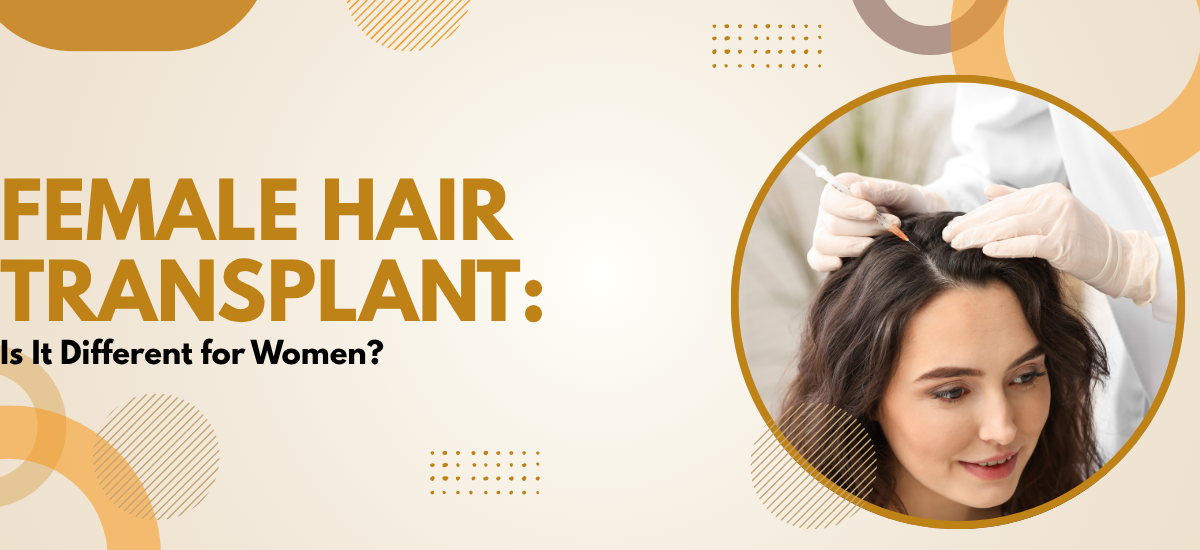
Yes, female hair transplant is meaningfully different from the male procedure in several ways – the hair loss pattern, the diagnosis required before surgery, the technique used, and how the result is designed all differ. Women are often told hair transplants are primarily a male treatment, which is not accurate. The procedure is performed for women with androgenetic alopecia, traction alopecia, and hairline concerns, and the approach is assessed entirely separately from male cases.

According to Dr. Monisha Kapoor, a trusted plastic surgeon in Delhi, “Female hair loss is fundamentally different from male pattern baldness and so is the surgery. The hairline design, the loss pattern, the donor zone assessment all of it has to be approached differently. Women who come in after being told a transplant won’t work for them often have not seen a surgeon who understands female hair loss properly.”

Want to understand whether you are a candidate for female hair transplant? Book a Consultation

How Does Female Hair Transplant Differ from Male?

The differences run through every stage of the process, from how hair loss presents to how the procedure is planned and executed.

How Female Hair Loss Presents
Male pattern baldness follows predictable stages – receding hairline, thinning crown, progressing to larger bald areas. Female hair loss from androgenetic alopecia typically shows as diffuse thinning across the top of the scalp rather than defined bald patches, with the hairline often remaining relatively intact. 

Diagnosis Before Surgery Is More Important for Women
Female hair loss has a wider range of causes than male pattern baldness. Thyroid disorders, iron deficiency, post-pregnancy shedding, hormonal imbalances, and autoimmune conditions can all drive hair loss in women, and a transplant performed without identifying and addressing the underlying cause will underperform because native hair continues thinning around the transplanted area.

Donor Zone Assessment Differs
In male hair transplants the back and sides of the scalp are reliably DHT-resistant donor zones. In women with diffuse thinning, the donor area may itself be affected by the same thinning process, which reduces the quality and reliability of grafts harvested from it.

Technique and Hairline Design
FUE is generally preferred for women because it does not require shaving the entire head; only small sections of the donor area are shaved, which matters practically for women who cannot conceal a full shave during recovery. Hairline design for women focuses on maintaining a feminine hairline shape with soft, natural density distribution rather than the stronger, more defined male hairline design approach.

Full detail on FUE, FUT, PRP, and the procedure process for both men and women is on the hair transplant service page.

Who Is a Good Candidate for Female Hair Transplant?

Not every woman presenting with hair loss is a suitable transplant candidate, and being clear about this upfront prevents the disappointment of an under-delivering result.

Stable Hair Loss Pattern
Women whose hair loss has stabilized and is no longer actively progressing are better candidates than those still in an active shedding phase. Transplanting into an unstable scalp where surrounding native hair continues thinning produces an island effect over time rather than natural density.

Adequate Stable Donor Zone
A sufficient supply of DHT-resistant follicles in the donor area is the non-negotiable requirement for any hair transplant. Women with diffuse thinning throughout the scalp including the donor zone need to be assessed carefully to confirm whether enough stable grafts exist for a meaningful result.

Identified and Managed Underlying Cause
The hair loss cause needs to be identified and either resolved or medically managed before surgery. Transplanting before this is confirmed risks wasting grafts on a scalp where the underlying driver is still active.

Traction Alopecia and Hairline Concerns
Women with hairline recession or thinning from years of tight hairstyles, extensions, or traction respond very well to transplant when the traction has been stopped and the loss has stabilized. This is one of the strongest female indications for the procedure with predictable results.

Patients wanting guidance on how to evaluate a surgeon before committing to hair transplant surgery can read through the cosmetic surgeon in Delhi blog, which covers credentials and what to verify before booking.

Why Choose Dr. Monisha Kapoor?

Dr. Monisha Kapoor is India’s first woman aesthetic plastic surgeon admitted to the American Society of Aesthetic Plastic Surgery, a Gold Medalist in MCh Plastic Surgery, and holds active membership with ISAPS, with 25+ years of practice and over 10,000 procedures. Female hair transplant at her Saket clinic involves a full scalp assessment, blood work review to identify underlying causes, and hairline design built around the patient’s face shape and natural female hair distribution — not a male template applied to a female patient.

📞 Call Now: +91 83739 84777

FAQs

Can women get FUE hair transplant without shaving their head?
Yes. FUE for women typically involves shaving only small sections of the donor area, not the full head, which allows the surrounding hair to conceal the shaved zones during recovery.

How long does female hair transplant recovery take?
Most women return to desk work within five to seven days. Strenuous activity is restricted for three to four weeks. Visible new growth begins at three to four months and full results are assessed at 12 months.

Does female hair loss respond the same way to transplant as male?
Results are equally permanent for women with stable donor zones. The key difference is that female hair loss has more variable causes and requires more thorough pre-surgical assessment to ensure the transplant performs as expected.

Is PRP recommended alongside female hair transplant?
Yes. PRP is often recommended as a supportive treatment to stimulate existing follicles and improve graft outcomes, particularly for women with early-stage diffuse thinning around the transplanted area.

References

  1. National Library of Medicine — Female Pattern Hair Loss and Hair Transplant Candidacy: https://pubmed.ncbi.nlm.nih.gov/28481798/
  2. National Library of Medicine — FUE Hair Transplant in Women: Techniques and Outcomes: https://pubmed.ncbi.nlm.nih.gov/24267527/

What Is IPL Photofacial and How Does It Work?

IPL Photofacial
Posted on August 21, 2026July 14, 2026

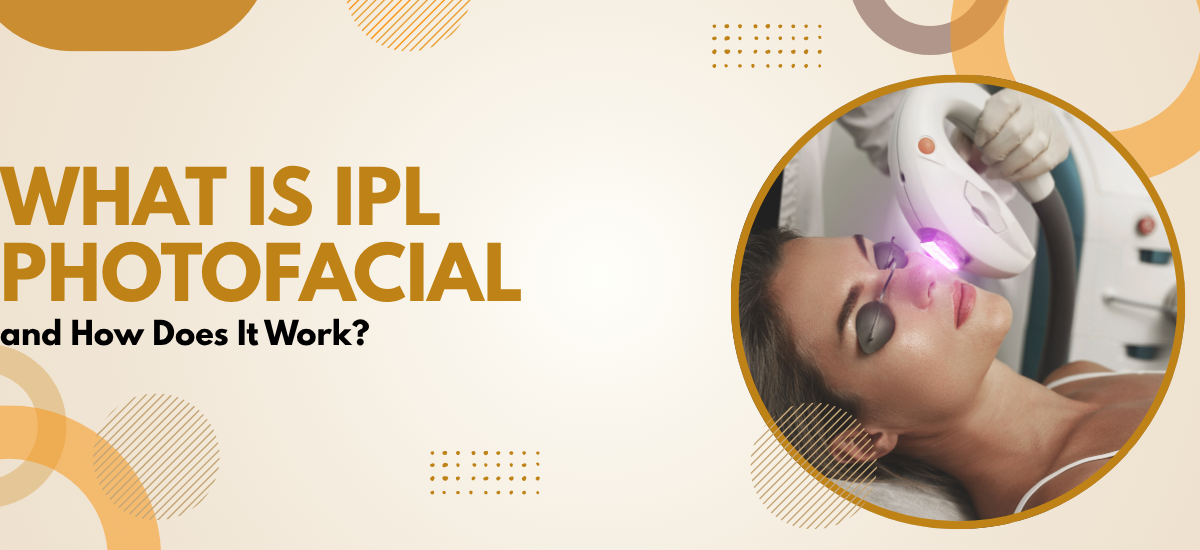
IPL photofacial, also called Intense Pulsed Light treatment, is a non-invasive skin treatment that delivers multiple wavelengths of light energy into the skin simultaneously to target pigmentation, redness, sun damage, and vascular irregularities. Unlike single-wavelength lasers that address one concern at a time, IPL emits a broad spectrum of light that the skin absorbs selectively based on the target melanin for pigmentation and hemoglobin for vascular concerns making it effective across multiple skin issues in a single session with no significant downtime.

According to Dr. Monisha Kapoor, a trusted cosmetic surgeon in Delhi, “IPL works by using the skin’s own absorption mechanisms against the problem. Melanin absorbs the light energy and fragments the body clears it. Blood vessels absorb it and contract. The skin looks clearer and more even without anything being removed from the surface. That is what makes it such a clean treatment for the right candidates.”

Want to know if IPL photofacial suit your skin concern? Book a Consultation

How Does IPL Photofacial Actually Work?

The mechanism behind IPL is selective photo thermolysis. Light energy is absorbed by specific target chromophores in the skin while leaving the surrounding tissue largely undisturbed.

Targeting Melanin for Pigmentation
When IPL light hits melanin clusters responsible for sunspots, freckles, and post-inflammatory hyperpigmentation, it fragments the pigment. The fragmented melanin is then absorbed and cleared by the body over the days following treatment, leaving the skin visibly clearer. Patients often notice darkening of spots immediately after a session before they fade and flake away; this is the normal process of the pigment being drawn to the surface before clearing.

Targeting Hemoglobin for Vascular Concerns
Light energy absorbed by hemoglobin in visible blood vessels causes the vessel walls to contract and eventually collapse. The body reabsorbs the vessel and surface redness, broken capillaries, and rosacea-related flushing reduce progressively across a course of sessions.

Stimulating Collagen Remodeling
Beyond the targeted pigment and vascular effects, the heat delivered by IPL into the deeper dermis stimulates collagen production. Over the weeks following treatment, skin texture improves, fine lines soften, and overall skin quality builds as new collagen forms.

What the Lumenis OPT Technology Adds
The clinic uses the Lumenis IPL with OPT (Optimal Pulse Technology), considered the gold standard in photo rejuvenation and validated in over 80 peer-reviewed papers. OPT delivers more uniform energy pulses compared to conventional IPL devices, which reduces the risk of hot spots, uneven treatment, and discomfort during the session.

Full detail on the IPL photofacial treatment, what it addresses, and what to expect during a session is on the IPL foto facials service page.

What Skin Concerns Does IPL Photofacial Treat?

IPL addresses a specific range of concerns driven by pigmentation and vascular irregularities rather than structural skin problems.

Sun Damage and Age Spots
Years of UV exposure accumulate as sunspots, freckles, and uneven tone that topical products rarely shift effectively. IPL targets the melanin in these deposits directly and clears them across a course of sessions, delivering the kind of visible correction that comes from addressing the pigment itself rather than suppressing melanin production from the surface.

Rosacea and Facial Redness
Chronic facial redness and the visible broken capillaries associated with rosacea respond well to IPL because the hemoglobin in the affected vessels absorbs the light energy selectively. Most patients see meaningful reduction in background redness and flushing across three to five sessions.

Hyperpigmentation and Uneven Tone
Post-inflammatory hyperpigmentation from acne, hormonal pigmentation, and general skin dullness driven by uneven melanin distribution all respond to IPL treatment. The result is a more even, brighter complexion that improves progressively with each session.

Fine Lines and Skin Quality
The collagen stimulation effect from IPL makes it useful for patients whose concern is not just pigmentation but overall skin quality decline. Fine lines around the eyes and mouth, general skin laxity, and texture irregularities all improve over the weeks following treatment as the collagen remodeling response runs its course.

Patients dealing with pigmentation specifically and wanting to understand what drives it and how different treatments approach it can read through the skin pigmentation blog, which covers causes and treatment approaches in detail.

Why Choose Dr. Monisha Kapoor?

Dr. Monisha Kapoor is India’s first woman aesthetic plastic surgeon admitted to the American Society of Aesthetic Plastic Surgery and holds active membership with ISAPS, with 25+ years of practice and over 10,000 procedures. IPL photofacial at her Saket clinic uses the Lumenis OPT system, and every treatment is calibrated to the patient’s specific skin tone and concern type rather than run as a standard protocol, which is what delivers consistent visible improvement rather than a generic result.

📞 Call Now: +91 83739 84777

FAQs

How many IPL sessions are needed?
Most patients need three to five sessions spaced three to four weeks apart for meaningful correction of pigmentation and vascular concerns.

Is IPL photofacial painful?
Most patients describe a warm snapping sensation during the pulses. The Lumenis OPT technology makes the treatment more comfortable than conventional IPL devices.

Is there downtime after IPL?
Minimal. Some redness and temporary darkening of pigmented spots in the first few days is normal. Most patients return to normal activity the same day.

Is IPL safe for Indian skin tones?
IPL needs careful wavelength and energy selection on darker Indian skin to avoid post-inflammatory pigmentation. The correct device settings and an experienced clinician are what make it safe for darker skin tones.

References

  1. National Library of Medicine — Intense Pulsed Light for Photorejuvenation: Clinical Outcomes: https://pubmed.ncbi.nlm.nih.gov/26039966/
  2. National Library of Medicine — IPL Treatment for Rosacea and Vascular Lesions: https://pubmed.ncbi.nlm.nih.gov/23379344/

Hourglass Surgery Recovery: What to Expect?

Hourglass Surgery
Posted on August 20, 2026July 14, 2026

Hourglass surgery combines liposuction of the waist, abdomen, flanks, and hips to create a narrowed midsection with fat transfer to the buttocks or hips to add volume and curves where needed. Because it involves two distinct procedures in one surgical session, recovery is more involved than liposuction alone. Understanding what happens at each stage helps patients plan time off work, arrange home support, and follow the restrictions that directly affect how the final result looks.

According to Dr. Monisha Kapoor, a trusted cosmetic surgeon in Delhi, “Hourglass surgery gets patients the result they want faster because both the slimming and the shaping happen in one procedure. The recovery is manageable, but it needs to be taken seriously. The first six weeks are where the result is either protected or undermined, and most of that comes down to following the post-operative instructions properly.”

Want to understand the full procedure and what recovery involves before deciding? Book a Consultation

What Happens Week by Week During Hourglass Surgery Recovery?

Recovery has two parallel tracks happening simultaneously healing at the liposuction donor sites and protecting the transferred fat at the buttocks and hips.

Days 1 to 3
Swelling and bruising are heaviest across all treated areas and patients typically feel tightness and soreness at the liposuction sites. Most patients go home the same day or after one overnight stay. The compression garment goes on immediately post-surgery and stays on continuously through the initial recovery. Sleeping on the stomach or side is required to avoid pressure on the transferred fat areas.

Days 4 to 7
Discomfort becomes more manageable and most patients are up and moving around at a basic level. Sitting directly on the buttocks remains restricted where fat was transferred to that area. Desk work that requires prolonged sitting needs a BBL cushion that transfers weight to the thighs. Light walking around the house is encouraged for circulation from day two onward.

Weeks 2 to 3
Most patients return to light desk work within five to seven days. The liposuction sites continue to feel firm and slightly lumpy as internal healing progresses this is normal and settles progressively. The transferred fat goes through its natural initial shrinkage phase here, which is expected and not a sign of failure. Energy levels improve noticeably from around day ten onward.

Weeks 4 to 6
Strenuous activity, heavy lifting, and lower body exercise remain restricted through this window. The fat graft is establishing its blood supply and the liposuction sites are continuing to smooth out. The compression garment transitions to a lighter option as directed by the surgeon. Direct pressure on fat transfer areas still needs to be avoided.

Months 2 to 6
The hourglass shape becomes progressively clearer as swelling at the waist and hips continues resolving. Fat stabilization at the transfer sites continues building through to around three months, and the liposuction contouring result becomes fully visible from three to six months as the skin conforms to its new underlying shape.

Full detail on hourglass surgery including candidacy and the procedure approach is on the hourglass shape service page.

What Should Patients Avoid During Recovery and Why?

The restrictions during hourglass surgery recovery each protect a specific aspect of the result, and ignoring any of them has direct consequences for the outcome.

Direct Pressure on Fat Transfer Sites
Fat transferred to the buttocks or hips needs consistent pressure avoidance for at least six weeks while the grafted cells establish their blood supply. Direct sitting compresses the graft before it is established, causing fat cell death and reducing the final volume. This is the most important restriction and the most commonly broken one.

Strenuous Physical Activity
Exercise that significantly raises heart rate, increases intra-abdominal pressure, or engages the core and lower body before healing is complete strains both the liposuction sites and the fat graft areas. Six weeks minimum applies before returning to any meaningful physical training.

Compression Garment Removal
The garment supports healing at liposuction sites, reduces swelling, and helps skin conform evenly to the new contour. Removing it prematurely or wearing it inconsistently leads to uneven healing, prolonged swelling, and potentially irregular contouring that could have been avoided.

Significant Weight Changes
Weight gain after surgery adds fat throughout the body including the treated and untreated areas, which changes the proportions the surgery achieved. Patients should be at or near a weight they can realistically maintain before having the procedure rather than doing it at a temporary low point.

Patients wanting to understand how liposuction works as the core of the hourglass procedure can read through the liposuction blog, which covers the technique, candidacy, and what the procedure involves.

Why Choose Dr. Monisha Kapoor?

Dr. Monisha Kapoor is India’s first woman aesthetic plastic surgeon admitted to the American Society of Aesthetic Plastic Surgery and holds active membership with ISAPS, with 25+ years of practice and over 10,000 procedures. Hourglass surgery at her Saket clinic is planned around each patient’s individual body proportions and fat distribution rather than a standard protocol, which is what produces a result that looks naturally proportionate rather than overdone.

📞 Call Now: +91 83739 84777

FAQs

How long does hourglass surgery recovery take?
Most patients return to light desk work within five to seven days. Strenuous activity is restricted for six weeks, and the final result is visible from three to six months.

When can I sit normally after hourglass surgery?
If fat was transferred to the buttocks, direct sitting is restricted for at least six weeks. A BBL cushion is used for unavoidable sitting during this period.

How long should I wear the compression garment?
The full compression garment is worn continuously for four to six weeks before transitioning to a lighter option as advised by the surgeon.

When is the final hourglass result visible?
The waist contouring from liposuction becomes clear from three to six months as swelling resolves. Fat transfer results stabilize at around three months with continued improvement to six months.

References

  1. National Library of Medicine — Liposuction and Fat Transfer Body Contouring: Outcomes and Recovery: https://pubmed.ncbi.nlm.nih.gov/26371717/
  2. National Library of Medicine — Gluteal Fat Grafting and Post-Operative Care Protocols: https://pubmed.ncbi.nlm.nih.gov/28481798/

Can Rhinoplasty Fix a Deviated Septum and Breathing?

Rhinoplasty Fix a Deviated Septum and Breathing
Posted on August 19, 2026July 13, 2026

Yes, rhinoplasty can address a deviated septum and improve breathing, but the precise answer depends on which procedure is actually being performed. Cosmetic rhinoplasty reshapes the external nose. Septoplasty corrects internal septal deviation to improve airflow. The two are frequently combined in a single operation called septorhinoplasty, and understanding the distinction helps patients go into consultation asking the right questions.

According to Dr. Monisha Kapoor, a trusted plastic surgeon in Delhi, “Patients come in saying they want a nose job and mention breathing problems almost as an afterthought. The breathing concern is often the more important one medically, and addressing the septum alongside the cosmetic work means the patient gets both corrected in one recovery rather than two separate surgeries at different times.”

Want to understand whether your nose concern is functional, cosmetic, or both? Book a Consultation

How Does Rhinoplasty Address a Deviated Septum and Breathing?

The functional and cosmetic components of nose surgery each address a different part of the nasal structure and knowing which does what helps patients ask the right questions at consultation.

What Septoplasty Does
Septoplasty straightens the nasal septum through internal incisions with no external scarring and no change to the noses outside shape. When the septum sits significantly off-center it narrows one or both nasal passages, causing chronic congestion, harder nasal breathing, sleep disruption, and in some cases recurring sinus infections. Correcting the deviation reopens the passage and restores normal airflow.

What Rhinoplasty Adds
Rhinoplasty modifies the external structure including the bridge, tip, width, and overall proportion. When combined with septoplasty in a single procedure, both internal function and external appearance are addressed together in one anesthetic episode with one combined recovery. Dr. Monisha Kapoor performs both open and Piezo rhinoplasty, where ultrasonic technology sculpts the nasal bones with greater precision and significantly less bruising and swelling compared to traditional bone-breaking techniques.

Who Needs Which
Patients with breathing problems but no cosmetic concerns need septoplasty alone. Those with cosmetic concerns and no functional issues need rhinoplasty alone. Patients with both, which is a large proportion of rhinoplasty consultations, benefit most from addressing both simultaneously rather than staging them across two separate procedures and recoveries.

Insurance Implications
When rhinoplasty is performed to correct breathing function, the functional component may be covered by health insurance since it qualifies as reconstructive rather than cosmetic surgery. The cosmetic component remains a patient expense, and this is worth discussing at consultation as it can meaningfully reduce the overall cost of a combined procedure.

Full detail on rhinoplasty techniques including Piezo, open, closed, and functional approaches is on the rhinoplasty service page.

What Should Patients Know Before Combining Septoplasty with Rhinoplasty?

Several practical points shape the outcome of combined functional and cosmetic nose surgery and are worth understanding before booking.

The Septum as Structural Support
The nasal septum is not just a breathing passage divider it also provides structural support to the nose tip and bridge. Septoplasty that removes too much cartilage without accounting for this can cause the nose to droop or collapse over time. A surgeon performing combined surgery needs to understand both the functional and structural role of what is being modified and must preserve enough cartilage to maintain long-term support.

Swelling Timeline Is Longer Than Patients Expect
Most visible swelling settles within four to six weeks, but the final nose shape, particularly at the tip, continues refining for up to 12 months. Patients who assess their result at six weeks are looking at an intermediate state, not the final outcome, and this needs to be said clearly at consultation rather than discovered during recovery.

Breathing Improvement Is Not Immediate
Swelling inside the nasal passages after septoplasty temporarily worsens breathing before it improves. Most patients notice real functional improvement from weeks two to four onward as internal swelling reduces progressively. Expecting clear breathing on day one is a common source of unnecessary concern during what is actually a normal recovery.

Realistic Expectations for Both Components
Septoplasty significantly improves breathing in the majority of patients but does not guarantee perfect airflow in every case, particularly where other structural factors like turbinate hypertrophy also contribute. Rhinoplasty results depend heavily on existing anatomy and skin thickness, and the outcome is planned around the patient’s actual nasal structure rather than reference images of other people’s noses.

Patients wanting to understand what rhinoplasty recovery looks like week by week and when the result stabilizes can read through the rhinoplasty swelling blog, which covers the full swelling timeline and what to expect at each stage.

Why Choose Dr. Monisha Kapoor?

Dr. Monisha Kapoor is India’s first woman aesthetic plastic surgeon admitted to the American Society of Aesthetic Plastic Surgery and holds active membership with ISAPS, with 25+ years of practice and over 10,000 procedures including more than 300 Piezo rhinoplasty cases. Combined functional and cosmetic rhinoplasty at her Saket clinic is planned around both what the patient wants the nose to look like and what it needs to function properly, so neither concern is sacrificed for the other.

📞 Call Now: +91 83739 84777

FAQs

Is septoplasty the same as rhinoplasty?
No. Septoplasty corrects internal septal deviation for breathing. Rhinoplasty modifies the external nose shape. They are often combined but are distinct procedures.

Will fixing my deviated septum change how my nose looks?
Septoplasty alone does not change external appearance. Combined septorhinoplasty changes both function and shape simultaneously.

How long does recovery take after septorhinoplasty?
Most patients return to desk work within one to two weeks. Visible swelling settles over four to six weeks and the final result is assessed at 12 months.

Can rhinoplasty be covered by insurance in India?
The functional septoplasty component may qualify for insurance coverage when performed for medically documented breathing obstruction. The cosmetic component is a patient expense.

References

  1. National Library of Medicine — Septorhinoplasty: Functional and Aesthetic Outcomes: https://pubmed.ncbi.nlm.nih.gov/24267527/
  2. National Library of Medicine — Deviated Nasal Septum: Surgical Correction and Breathing Improvement: https://pubmed.ncbi.nlm.nih.gov/28481798/

What Causes Gynecomastia and Can It Return?

Causes of Gynecomastia
Posted on August 18, 2026July 13, 2026

Gynecomastia is the abnormal enlargement of glandular breast tissue in men, affecting an estimated 40 to 60 percent of males at some point in their lives. It is not the same as chest fat from weight gain, though the two often coexist. True gynecomastia involves actual glandular tissue growth driven by a hormonal imbalance between estrogen and testosterone. Understanding what causes it matters practically because treating gynecomastia without identifying and addressing the underlying cause is what leads to it returning after surgery.

According to Dr. Monisha Kapoor, a trusted plastic surgeon in Delhi, “Most men come in thinking gynecomastia is just fat they cannot lose at the gym. When glandular tissue is involved, no amount of training or dieting removes it. Surgery excises the gland and that tissue does not return. What can recur is new glandular growth if the hormonal trigger is still active, which is why identifying the cause before surgery matters.”

Want to understand whether your chest concern involves glandular tissue or fat? Book a Consultation

What Causes Gynecomastia?

Several distinct causes drive gynecomastia and identifying the correct one shapes both the treatment plan and the answer to whether it can come back.

Hormonal Imbalance
The most common driver is a shift in the ratio of oestrogen to testosterone. This happens naturally during puberty, where it often resolves on its own within two years, and again in older age as testosterone levels decline. When it persists into adulthood or appears in middle age without an obvious trigger, an endocrinological assessment is needed to identify what is driving the imbalance.

Medications and Substances
A wide range of medications list gynecomastia as a side effect, including spironolactone, certain antidepressants, antipsychotics, proton pump inhibitors, and anabolic steroids. Cannabis use is also associated with gynecomastia in some men. Identifying and discontinuing the causative medication or substance can reverse early-stage glandular growth before it becomes established, but persistent glandular tissue typically requires surgical removal regardless.

Underlying Medical Conditions
Thyroid disorders, liver disease, kidney failure, and certain tumors affecting the testes or adrenal glands can all disrupt the hormonal balance and cause glandular growth. These need to be investigated and managed before any surgical treatment is planned, since operating without addressing an active medical cause leads directly to recurrence.

Pseudo gynecomastia
This is chest fullness driven by fat accumulation rather than glandular growth. It looks similar on the surface but has a different treatment pathway. Liposuction without gland excision handles pseudo gynecomastia effectively. Patients with true gynecomastia who receive only liposuction are left with residual firm glandular tissue that remains visible and palpable after the fat is removed.

Full detail on male chest reduction surgery, techniques, and candidacy is on the male chest reduction service page.

Can Gynecomastia Return After Surgery?

The answer depends on what caused it and whether that cause has been resolved before or after surgery.

Surgically Removed Gland Does Not Return
The glandular tissue excised during gynecomastia surgery is permanently removed. That specific tissue cannot regrow. This is the permanent aspect of the procedure and it holds regardless of future weight changes.

New Growth Is Possible If the Cause Remains Active
If the hormonal trigger, medication, or medical condition driving the glandular growth is still present after surgery, new glandular tissue can develop. This is not the same gland returning it is the growth of new tissue in response to an ongoing stimulus. It is the most common reason gynecomastia recurs after an otherwise well-performed procedure.

Weight Gain Affects Fat Component
Significant weight gain after surgery can add fat to the chest area, which changes the appearance even if no new glandular growth occurs. Patients who gain substantial weight post-surgery and find the chest looking enlarged again are most commonly dealing with fat redistribution rather than true glandular recurrence.

Steroid Use After Surgery
Anabolic steroid use is the most common avoidable cause of gynecomastia recurrence in younger men. Patients who resume steroid use after surgery are reintroducing one of the strongest known hormonal triggers for glandular growth, and recurrence in this context is common and predictable.

Patients wanting a full clinical overview of gynecomastia surgery, who needs it, and what the procedure involves can read through the gynecomastia surgery blog which covers all of this in detail.

Why Choose Dr. Monisha Kapoor?

Dr. Monisha Kapoor is India’s first woman aesthetic plastic surgeon admitted to the American Society of Aesthetic Plastic Surgery and holds active membership with ISAPS, with 25+ years of practice and over 10,000 procedures. Every gynecomastia assessment at her Saket clinic identifies whether the concern is glandular tissue, fat, or a combination before any surgical approach is planned, which is what produces clean results and minimises the chance of recurrence after the procedure.

📞 Call Now: +91 83739 84777

FAQs

Is gynecomastia the same as chest fat?
No. Gynecomastia involves actual glandular tissue growth. Chest fat from weight gain is pseudo gynecomastia. Both can coexist and both need to be identified before treatment is planned.

Can gynecomastia resolve on its own?
Pubertal gynecomastia often resolves within one to two years without treatment. Adult gynecomastia that has been present for more than two years is unlikely to resolve without intervention.

Does gynecomastia surgery leave visible scars?
Incisions are placed around the areola border where the colour change conceals the scar. With proper healing most scars become very difficult to see within six months.

At what age is gynecomastia surgery appropriate?
Surgery is generally recommended after skeletal maturity at 18 or above, once it is clear the condition will not resolve on its own through puberty.

References

  1. National Library of Medicine — Gynecomastia: Causes, Diagnosis and Surgical Management: https://pubmed.ncbi.nlm.nih.gov/28481798/
  2. National Library of Medicine — Recurrence of Gynecomastia After Surgical Treatment: https://pubmed.ncbi.nlm.nih.gov/22373014/
Vaginoplasty Recovery: What to Expect After Surgery?

Vaginoplasty Recovery
Posted on August 17, 2026July 13, 2026

Vaginoplasty recovery is more manageable than most patients expect, but it does require following specific restrictions for the first four to six weeks to protect the surgical repair and allow the tightened muscles to heal properly. Understanding what each phase of recovery involves helps patients plan their time off work, arrange home support, and avoid the mistakes that extend healing unnecessarily.

According to Dr. Monisha Kapoor, a trusted cosmetic surgeon in Delhi, “The recovery after vaginoplasty is straightforward when patients follow the post-operative instructions properly. The restrictions exist to protect the repair while it heals. Ignoring them in the first few weeks is where complications originate, and most of those complications are entirely avoidable.”

Want to understand the full procedure and recovery before making a decision? Book a Consultation

What Happens Week by Week During Vaginoplasty Recovery?

Recovery follows a predictable pattern, and the restrictions become progressively less demanding as healing progresses.

Days 1 to 3
Mild to moderate swelling, bruising, and discomfort in the surgical area are normal and expected. Prescribed pain medication manages this well for most patients. Rest is essential and activity should be kept to the minimum needed for basic daily function. Most patients go home the same day of surgery or after one overnight stay depending on the procedure complexity.

Days 4 to 7
Swelling begins to reduce and discomfort becomes more manageable. Most patients return to light desk work within five to seven days. Internal sutures are dissolvable and do not need removal. Gentle walking is encouraged to support circulation but nothing that raises the heart rate significantly. Hygiene in the surgical area needs to follow the specific instructions provided by the surgeon.

Weeks 2 to 3
The external appearance continues to settle and the internal repair consolidates. Most visible swelling has reduced. Sitting for extended periods is more comfortable. Light daily activity is fine but anything involving straining, lifting, or lower body exertion remains off limits. Driving should be avoided until discomfort allows for safe emergency braking response.

Weeks 4 to 6
Strenuous physical activity, exercise, and sexual intimacy remain restricted through this window. The tightened tissue needs this full period to establish strength in the repair. Many patients feel ready to resume activity sooner, but the restriction timeline is set by tissue healing rather than comfort level.

Beyond 6 Weeks
Most patients are cleared for full activity and intimacy at the six-week follow-up, subject to how individual healing has progressed. Final results in terms of tightness, functional improvement, and sensation are typically fully established by three months post-surgery.

Full detail on the vaginoplasty procedure and what it involves clinically is on the vaginal rejuvenation service page.

What Should Patients Avoid During Recovery and Why?

Several specific restrictions apply during recovery, and each one protects a different aspect of the surgical repair.

Strenuous Activity and Exercise
Any activity that significantly raises intra-abdominal pressure running, gym training, cycling, heavy lifting strains the pelvic floor muscles and the vaginal repair before it has healed. Six weeks of restriction is standard and non-negotiable regardless of how well a patient feels at week three.

Sexual Intimacy
Resuming intimacy before the six-week mark risks disrupting sutures, introducing infection, and causing pain that can affect long-term functional outcomes. The restriction exists to protect both the repair and the result, and patience here directly affects the quality of the functional improvement.

Tampons and Internal Products
Nothing should be inserted internally during the recovery period. Sanitary pads are used instead for any post-operative discharge. Internal insertion before healing is complete carries infection risk and can disturb the repair.

Soaking Baths and Swimming
Baths, hot tubs, and swimming pools introduce water and bacteria to the healing tissue. Showering is fine from the first day post-surgery, but submersion is avoided for the full six weeks.

Patients wanting more detail on what vaginoplasty involves and whether the procedure is painful can read through the vaginoplasty blog, which addresses the procedure experience and pain management in full.

Why Choose Dr. Monisha Kapoor?

Dr. Monisha Kapoor is India’s first woman aesthetic plastic surgeon admitted to the American Society of Aesthetic Plastic Surgery and holds active membership with ISAPS, with 25+ years of practice and over 10,000 procedures. Being treated by a female surgeon in a private clinical setting makes a meaningful difference when the procedure and recovery involve intimate concerns, and every patient at her Saket clinic receives a detailed post-operative guide and scheduled follow-up to monitor healing throughout the recovery period.

📞 Call Now: +91 83739 84777

FAQs

How long does vaginoplasty recovery take?
Most patients return to desk work within five to seven days. Full activity and intimacy are restricted for six weeks. Final results are established by three months.

Is vaginoplasty recovery painful?
Mild to moderate discomfort is normal in the first few days and is well managed with prescribed medication. Most patients find recovery more comfortable than they expected.

When can I exercise after vaginoplasty?
Strenuous exercise is restricted for six weeks. Light walking from week one is encouraged. The timeline is set by tissue healing, not comfort level.

What are the signs of complications during recovery?
Increasing pain rather than reducing pain, fever, unusual discharge, or swelling that worsens rather than improves after the first week should be reported to the clinic promptly.

References

  1. National Library of Medicine — Vaginoplasty: Surgical Techniques and Post-Operative Outcomes: https://pubmed.ncbi.nlm.nih.gov/28268162/
  2. National Library of Medicine — Recovery and Functional Results After Vaginal Tightening Surgery: https://pubmed.ncbi.nlm.nih.gov/27613483/

Posts pagination

Page 1 Page 2 Next page

Month: August 2026

Recent Posts

  • Can Liposuction Treat Stubborn Belly Fat for Good?
  • What Is a Non-Surgical Vaginal Rejuvenation?
  • Breast Reduction Recovery: Full Healing Timeline
  • Cheek Fillers vs Cheek Implants: Which Suits You?
  • Female Hair Transplant: Is It Different for Women?

Archives

  • August 2026
  • July 2026
  • June 2026
  • May 2026
  • December 2023
  • July 2023
  • April 2023
  • July 2020
  • June 2020
  • November 2019
  • August 2019
  • August 2018
  • April 2018
  • March 2018
  • January 2018
  • December 2017
  • October 2017
  • September 2017
  • July 2017
  • June 2017
  • April 2017
  • December 2016
  • November 2016
  • October 2016
  • September 2016
  • August 2016
  • July 2016
Footer – Dr. Monisha Kapoor
Plastic Surgeon · Delhi NCR
Dr. Monisha Kapoor

Dr. Monisha Kapoor

M.Ch. Plastic Surgery  ·  25+ Years of Practice  ·  10K+ Procedures

About

A practice built on precision. Board-certified plastic surgeon affiliated with the International Society of Aesthetic Plastic Surgery and the American Society of Aesthetic Plastic Surgery. Every consultation begins with listening — and every outcome is designed around your anatomy, your goals, and your vision of yourself.

Navigation

  • Dr's Desk
  • Facilities & Infrastructure
  • Blog
  • News & Updates
  • Career
  • Contact
  • Privacy Policy

Contact

18, Block J, Saket
New Delhi – 110017
011-40666307 / 08
+91 83739 84777
+91 8860851727
plasticsurgeonmonisha@gmail.com
Follow Connect

Disclaimer: The information on this website is provided for informational purposes only and is not meant to substitute the advice of your doctor or other healthcare professional. You should not use this information for diagnosing or treating a health problem or disease, or prescribing any medication. All images used are for illustrative purposes only; actual results and process may vary.

© 2026 plasticsurgeonmonisha.com All Rights Reserved

    Doctor

    Dr. Monisha Kapoor

    Delhi's Top Plastic Surgeon


    25+ Years Experience

    10,000+ Happy Customers
    Hair, Skin, Body, Face

    Book An Appointment

    WhatsApp
    HiHello 👋, welcome to Dr. Monisha Kapoor Aesthetics
    Can we help you?
    Open Chat
    Powered by Joinchat