
Medical Excellence
Silk Peel Treatment in Delhi
Is your skin looking dull, rough or uneven even after following a regular skincare routine? Dead skin buildup, clogged pores, dehydration, pollution and sun exposure can gradually reduce its natural freshness. If you are seeking a gentle treatment that exfoliates the surface while delivering skin-specific solutions, Silk Peel can be a suitable option.
Dr. Monisha Kapoor, an esteemed plastic & cosmetic surgeon in Delhi, explains that Silk Peel is most effective when the level of exfoliation and the infused solution are selected according to the skin’s condition. The aim is not merely to create a temporary glow, but to improve texture, hydration and overall skin quality through personalised care.
With 25+ years of experience and over 10,000 procedures performed, Dr. Monisha Kapoor personalises each Silk Peel according to the patient’s skin type, sensitivity and concerns. She offers silk peel treatment in Delhi for patients seeking controlled exfoliation and visible skin refreshment with minimal downtime.
Expert Skin Resurfacing
What makes Silk Peel different from a regular facial? Let’s explore the treatment.
What Is Silk Peel Treatment?
Silk Peel is a non-invasive skin-resurfacing treatment that combines controlled exfoliation, pore cleansing and the infusion of a selected topical solution. It is also referred to as dermal infusion because the treatment delivers a skin-specific solution while exfoliating the surface.
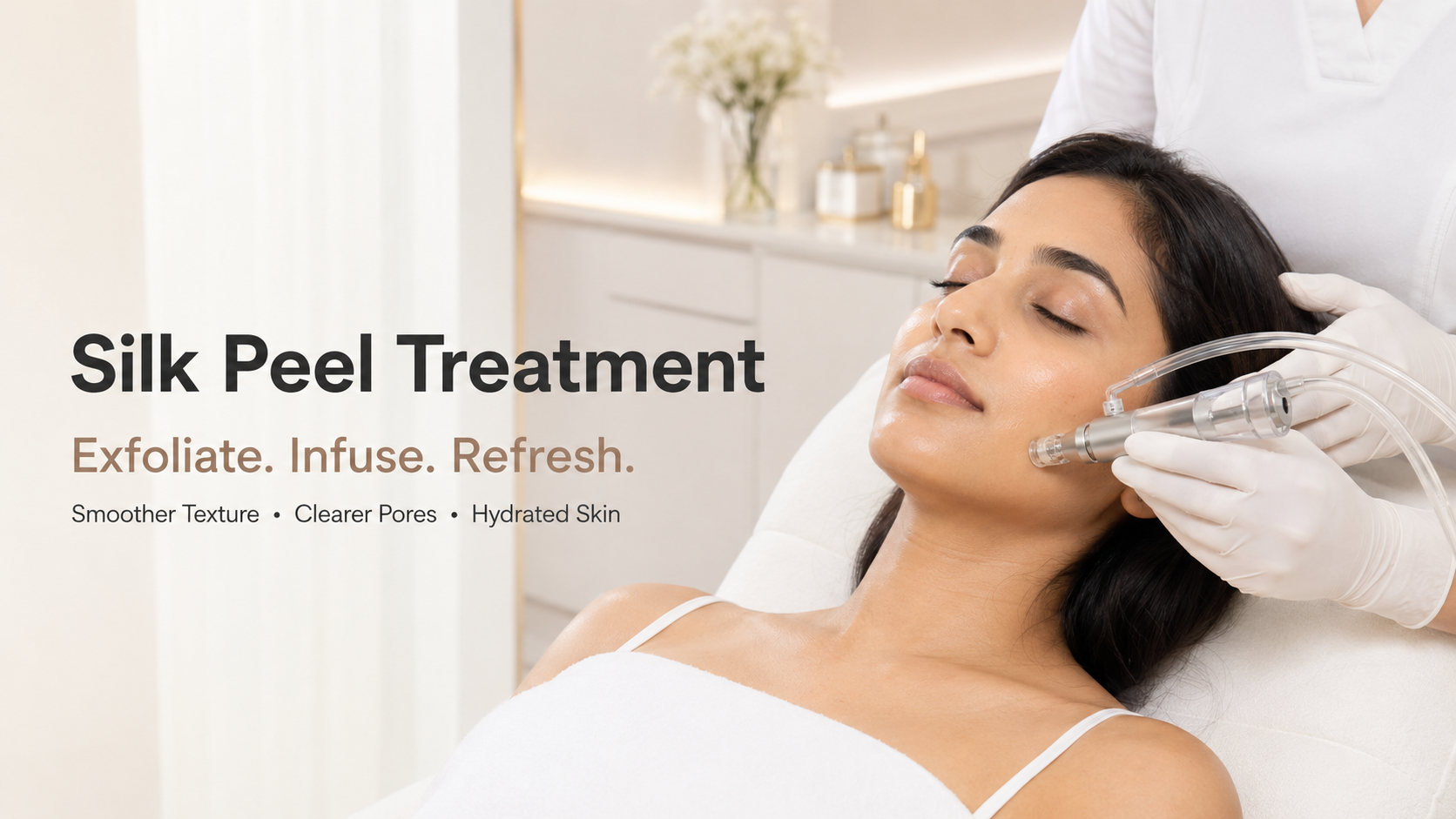
The Silk Peel handpiece uses a diamond-tipped surface to remove accumulated dead cells. At the same time, controlled suction clears loosened debris and delivers a selected solution onto the treated skin.
Unlike a traditional facial, Silk Peel uses device-controlled exfoliation. Unlike a deeper chemical peel, it does not intentionally produce significant peeling or remove several layers of skin. It is generally selected for mild surface concerns and ongoing skin maintenance.
The procedure can be performed on the face and, when appropriate, selected areas such as the neck, upper chest, back or hands.
Give rough and tired-looking skin the care it may need.
Connect with a qualified professional to determine whether Silk Peel is suitable for your skin.
How does Silk Peel exfoliate and infuse the skin together? Let’s discover how the procedure works.
How Does Silk Peel Treatment Work?
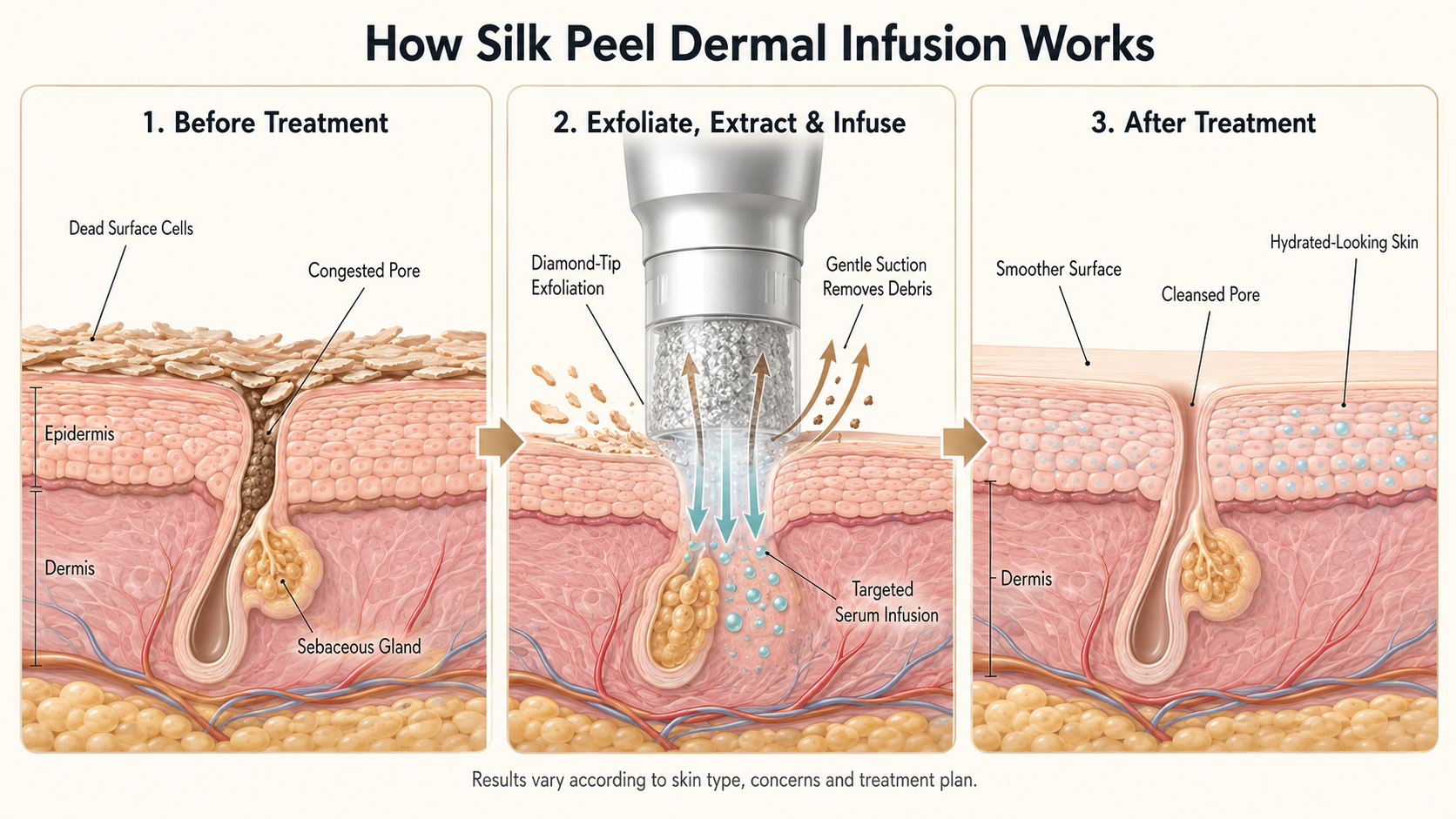
Silk Peel works through three actions performed at the same time:
- 1. Diamond-tip exfoliation: A specialised diamond-tipped handpiece moves over the skin with controlled pressure. It removes dead skin cells from the outermost layer and helps improve a rough or uneven texture.
- 2. Controlled suction: The handpiece creates gentle suction that lifts exfoliated cells, excess oil and superficial pore debris. The suction level can be adjusted according to the treatment area and skin sensitivity.
- 3. Solution infusion: As the skin is exfoliated, a selected topical solution is delivered across the treated area. The choice of solution depends on whether the primary concern is dryness, congestion, dullness or early signs of ageing.
“The depth of exfoliation, suction setting and number of passes should be adjusted for the individual. More pressure does not automatically provide better results and may increase irritation, particularly in sensitive or pigmentation-prone skin.”
— Dr. Monisha Kapoor, Highly Regarded Plastic & Cosmetic Surgeon in Delhi
Can Silk Peel address your specific skin concern? Let’s explore what it may help improve.
Skin Concerns Treated With Silk Peel Treatment
Silk Peel may be considered for mild and superficial concerns, including:
- Dull or tired-looking skin
- Rough and uneven skin texture
- Dry or dehydrated skin
- Excess surface oil
- Blackheads and mild pore congestion
- Enlarged-looking pores
- Superficial pigmentation
- Mild sun-related skin changes
- Early fine lines
- Mild acne-related congestion
- Superficial post-acne marks
- Uneven-looking skin tone
- Skin requiring pre-event rejuvenation
Silk Peel may soften the appearance of minor surface irregularities, but it cannot remove deep acne scars, pronounced wrinkles, significant pigmentation or loose skin. These concerns may require acne scar treatment, laser treatment, chemical peels or another targeted procedure.
A skin assessment helps distinguish between a concern that may respond to surface exfoliation and one that requires treatment at a deeper level.
Does every Silk Peel session follow the same protocol? Let’s discover how treatment can be customised.
Different Types of Silk Peel Treatments Available
Silk Peel treatments are generally customised through the exfoliation setting and the type of solution infused. The available protocol may vary according to the device, products and clinical assessment.
-
Hydrating Silk Peel
A hydration-focused protocol may be selected for dry, rough or tired-looking skin. It aims to remove dry surface buildup while helping the skin feel softer and better moisturised. -
Clarifying Silk Peel
This approach is intended for oily, congested or acne-prone skin. Controlled exfoliation and suction help clear excess oil, blackheads and superficial pore buildup. -
Brightening Silk Peel
A brightening protocol may be considered for dullness, uneven-looking tone and superficial pigmentation. It focuses on removing dead cells that make the skin appear flat or patchy. -
Rejuvenating Silk Peel
This treatment may be selected for early fine lines, rough texture and mild signs of environmental damage. The aim is to improve surface smoothness and restore a refreshed appearance. -
Silk Peel for the body
Selected areas such as the neck, upper chest, back or hands may be treated when appropriate. Settings and solutions are adjusted because body skin differs from facial skin in thickness and sensitivity.
These categories describe treatment goals rather than fixed packages. The most suitable protocol depends on the person’s current skin condition, not simply the result they would like to achieve.
Is Silk Peel suitable for every skin type? Let’s discuss who may benefit from treatment.
Who Is an Ideal Candidate for Silk Peel Treatment?
Silk Peel may be suitable for adults who want gentle surface exfoliation and targeted skin hydration without significant recovery time.
An ideal candidate may:
- Have dull, dry or rough skin
- Experience mild blackheads or congestion
- Want to improve superficial unevenness
- Prefer a non-surgical and non-injectable procedure
- Want a treatment with little interruption to daily activities
- Need periodic skin maintenance
- Have early signs of environmental or sun-related skin damage
- Want skin preparation before an important occasion
- Have realistic expectations about what surface exfoliation can achieve
Treatment may need to be postponed if there is:
- Active inflammatory acne
- An open wound or broken skin
- Active cold sores or another skin infection
- Sunburn or recent excessive sun exposure
- An active eczema, dermatitis or rosacea flare
- Recent facial waxing or aggressive exfoliation
- A suspicious or undiagnosed skin lesion
- Recent use of isotretinoin
- Recent laser, peel or injectable treatment
Pregnancy, breastfeeding, prescription skincare, allergies and current medications should be discussed before the session. Suitability depends partly on the solution being infused.
Why consider Silk Peel for skin rejuvenation? Let’s explore its potential advantages.
Benefits of Silk Peel Treatment for Skin Rejuvenation
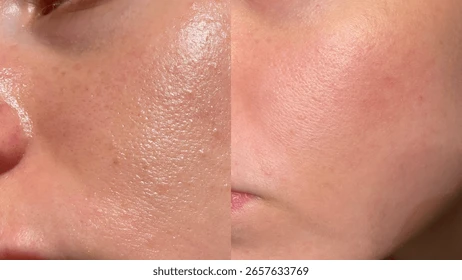
- Controlled exfoliation: The diamond tip removes accumulated dead cells without the aggressive resurfacing associated with deeper procedures.
- Simultaneous serum infusion: A selected topical solution is applied while exfoliation is performed, allowing the session to address specific skin needs.
- Smoother skin texture: Removing rough surface buildup can make the skin feel softer and more even.
- Brighter-looking complexion: Exfoliation can reduce surface dullness and restore a fresher appearance.
- Improved hydration: A hydration-focused solution may help dry or dehydrated skin feel more comfortable and supple.
- Clearer-looking pores: Controlled suction helps remove superficial oil and debris from congested pores.
- Minimal downtime: Most people can return to routine activities soon after treatment.
What happens from the beginning to the end of a Silk Peel session? Let’s discuss the treatment experience.
What to Expect During a Silk Peel Treatment Session?
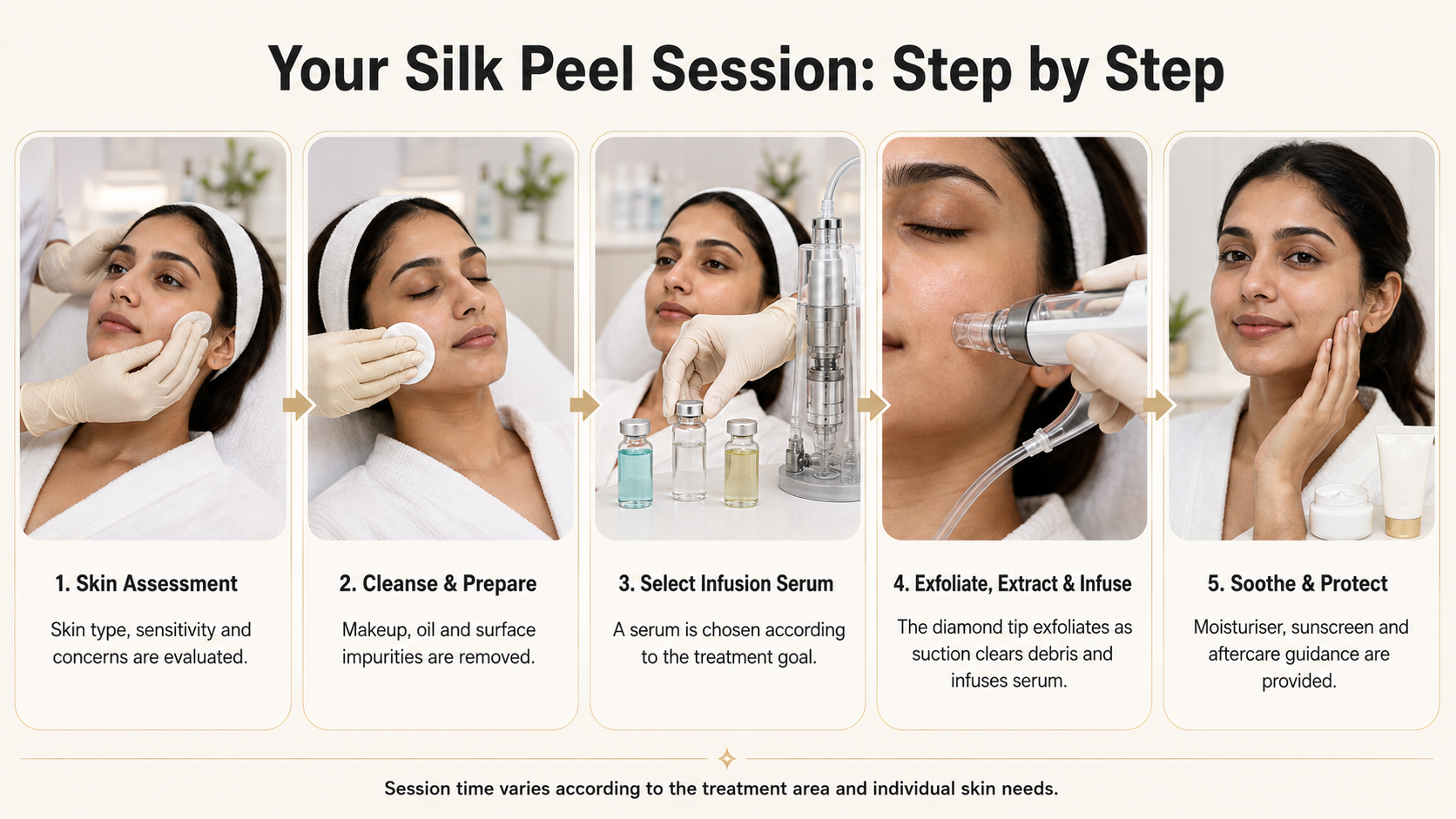
- 1. Skin assessment: The session begins with an evaluation of skin type, hydration, sensitivity, active concerns and current products. Recent treatments and medications should also be discussed.
- 2. Skin cleansing: Makeup, sunscreen, oil and surface impurities are removed to prepare the treatment area.
- 3. Selection of the treatment tip and solution: The professional selects an appropriate diamond tip, suction setting and infusion solution based on the assessment.
- 4. Controlled exfoliation and infusion: The handpiece is passed methodically over the skin. Patients may feel light suction and a mildly textured sensation as exfoliation and solution delivery take place.
- 5. Treatment of specific areas: Extra attention may be given to the nose, chin or other congested areas. Sensitive regions are treated with lighter pressure.
- 6. Completion and sun protection: A suitable moisturiser and broad-spectrum sunscreen may be applied after treatment. Individual aftercare instructions are then provided.
A Silk Peel session commonly takes approximately 30 to 60 minutes, depending on the treatment area and whether additional skin therapies are included. Anaesthesia is generally not required.
How soon can the results appear, and what happens during recovery? Let’s explore results and aftercare.
Silk Peel Treatment Results, Recovery and Aftercare
Expected results:
- Skin may feel smoother and cleaner after the first session.
- The complexion may appear brighter and more refreshed.
- Hydration-focused treatment may make dry skin feel softer.
- Congested areas may look clearer after gentle suction.
- Results vary according to skin type, concern and treatment intensity.
- A series of sessions may be recommended for gradual improvement.
Recovery:
- Most people can return to routine activities after the session.
- Mild redness, tightness or sensitivity may occur temporarily.
- Slight dryness or light flaking can develop in some patients.
- The skin may be more sensitive to sunlight for a short period.
- Scrubbing, picking or rubbing can increase irritation and should be avoided.
Aftercare:
- Cleanse the skin with a mild, non-abrasive cleanser.
- Apply the recommended moisturiser to support the skin barrier.
- Use broad-spectrum sunscreen every day.
- Avoid retinoids, exfoliating acids and scrubs for the advised period.
- Avoid steam rooms, saunas and excessive heat if the skin feels sensitive.
- Delay waxing, strong facials and other intensive procedures until approved.
- Avoid introducing several new skincare products immediately after treatment.
- Follow the personalised instructions provided after the session.
Consistent care can help maintain smoother and brighter-looking skin.
Get in touch with a skin expert to create a suitable treatment and maintenance plan.
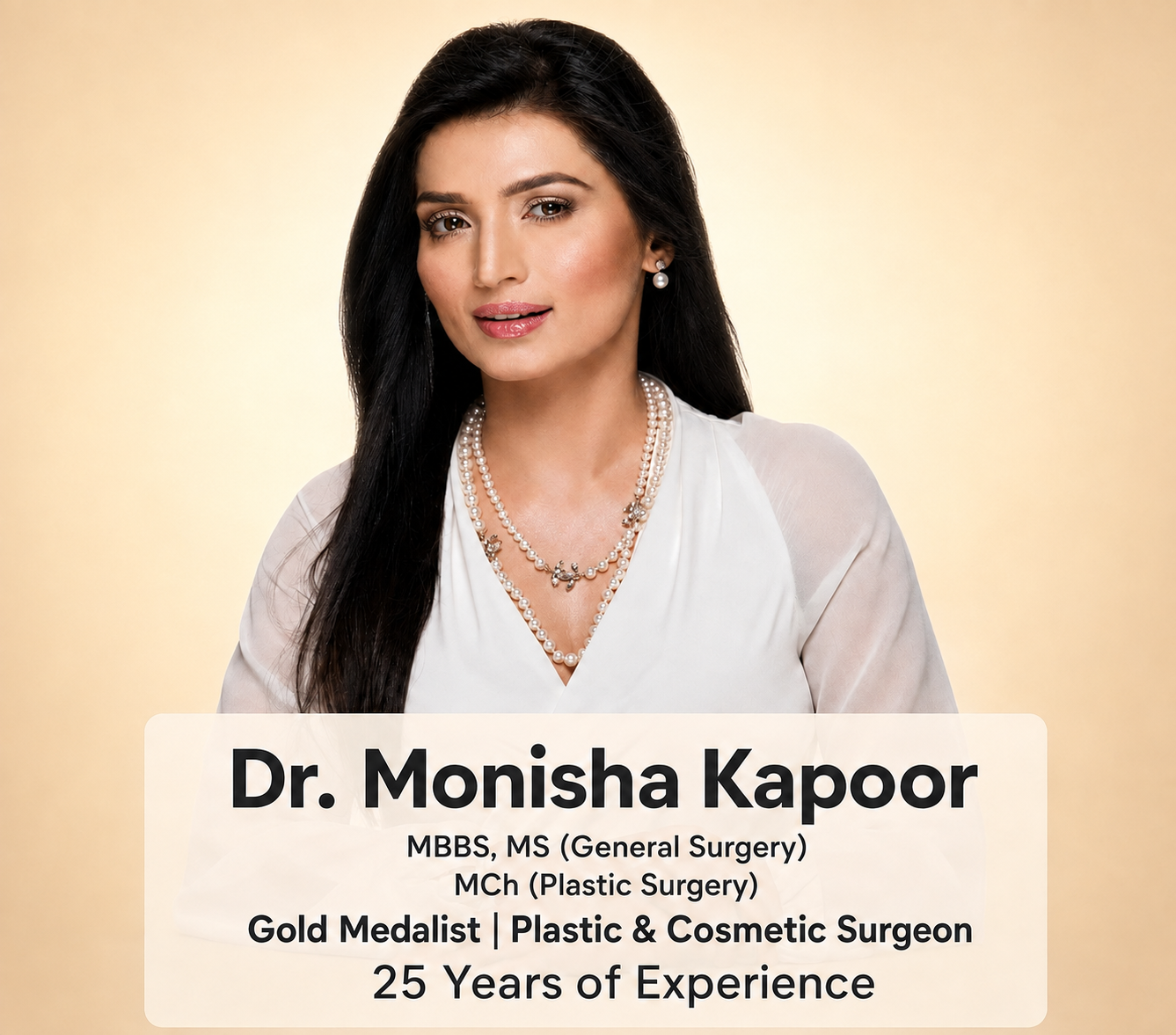
Why Choose Dr. Monisha Kapoor for Silk Peel Treatment in Delhi?
Specialist-Led Skin Planning: Dr. Monisha Kapoor applies 25 years of experience in plastic surgery and aesthetic medicine to assess skin quality before treatment.
Extensive Procedural Experience: She has performed over 10,000 procedures across facial surgery, body contouring, breast surgery,
Proven Success: A reported 95% patient satisfaction rate reflects her commitment to careful treatment planning, clear communication and continued care.
Beyond Surface-Level Assessment: The skin is evaluated for dehydration, oiliness, blocked pores, sensitivity, pigmentation and barrier damage before treatment begins.
Coordinated Skin Programme: Clinic procedures and home skincare are planned together to reduce product conflicts and support consistent improvement.
Clear Recovery Guidance: Patients receive practical instructions regarding moisturising, sun protection, makeup and restarting active skincare ingredients.
FAQs
1. What is the cost of silk peel treatment in Delhi?
The cost depends on the treatment area, infusion solution, number of sessions and additional therapies. A skin assessment is required to provide an accurate quotation.
2. Is Silk Peel the same as microdermabrasion?
Silk Peel uses controlled exfoliation similar to microdermabrasion, but it also infuses a selected topical solution during the procedure. Traditional microdermabrasion primarily focuses on exfoliation.
3. How many Silk Peel sessions will I need?
Some people notice surface improvement after one session, while a series may be advised for ongoing concerns. The number of sessions depends on the skin’s response and treatment goal.
4. Is there downtime after Silk Peel?
There is usually little downtime. Mild redness, dryness, tightness or sensitivity may occur temporarily after treatment.
5. Is Silk Peel suitable for sensitive skin?
The treatment may be adjusted for some sensitive skin types. Active irritation, rosacea flare-ups, dermatitis or a damaged skin barrier may require postponement.
Disclaimer: The information shared in this content is for educational purposes and not for promotional use.