
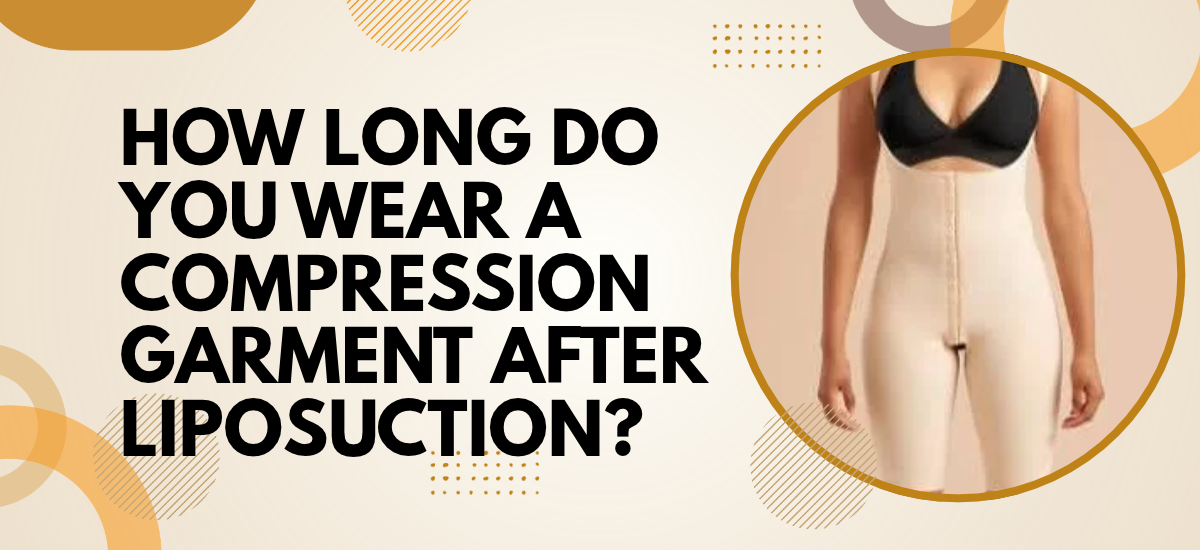
Expect to be in the garment for somewhere around 4 to 6 weeks. For the first two weeks it barely comes off, and after that you wear it for only part of the day. Some surgeons ask for longer, especially when several areas were treated. That’s the rough answer to how long to wear a compression garment after liposuction, though your surgeon sets the actual number for you.
According to Dr. Monisha Kapoor, a Plastic Surgeon in Delhi, “People tend to think of it as something tight you just put up with. It keeps the swelling down and helps the skin settle against the new shape, so it matters that you wear it properly in those first weeks. How long exactly depends on how much was treated and how your body is healing, which is why I check each patient instead of giving everyone the same number of weeks.”
Why Your Surgeon Wants You in a Compression Garment
- Reduces swelling: Compression helps apply steady pressure, which may reduce fluid buildup after liposuction.
- Supports skin healing: It helps the skin settle over the newly shaped area as it heals.
- Improves comfort: The snug fit may make soreness and movement more manageable during recovery.
- Proper fit matters: A garment that’s too loose may be ineffective, while one that’s too tight can cause discomfort or numbness. Your surgeon’s team can recommend the right size.
For more information, explore liposuction in Delhi and learn what to expect during recovery.
A Rough Timeline for Your Compression Garment After Liposuction
- First 1–2 weeks: Keep the garment on most of the time, removing it only for bathing or when advised.
- Weeks 3–6: Many patients can reduce wear to daytime use as swelling starts to settle.
- After 6 weeks: Some may benefit from wearing it during the day for a few additional weeks.
- After combined procedures: Recovery may take longer, so compression time can vary.
Every recovery is different, so your surgeon’s guidance should determine how long you wear the garment. Learn more about liposuction recovery
What Decides How Long You’ll Need It
- How many areas were treated and how much fat was taken out. More areas usually means more weeks.
- Your surgeon’s own habits. One surgeon is strict about full-time wear and another eases off sooner, and both can be perfectly reasonable.
- How you’re healing. If the swelling is going down quickly, you may be allowed to cut back earlier.
- Your skin. If it has lost some of its stretch, it can take longer to settle, and you may be asked to carry on a little longer.
- Whether anything else was done at the same time.
Key Takeaways
- About 4 to 6 weeks is the usual ask, and some surgeons go longer.
- Expect to wear it nearly all day and night at the start.
- There’s no single answer to how long to wear compression garment after liposuction. It shifts with the areas treated and how you heal.
- Check with your surgeon before you cut back or stop.
- A garment that hurts, goes numb or digs in needs a call, not patience.
FAQs
- Can I take off the compression garment to sleep?
In the first few weeks, most surgeons want you to keep it on at night too, and you take it off only to shower. Later on, many people move to wearing it during the day alone. They’ll let you know when you can move to the next stage. - Is it a problem if I stop wearing the compression garment early?
It can be. Swelling may take longer to go down, fluid can collect under the skin, and the area might look a bit uneven while it settles. If you’ve already taken it off early, tell your surgeon rather than just carrying on. - Can I wear normal shapewear instead of a surgical garment?
Check with your surgeon first. Surgical garments are made to press evenly over the treated areas. Ordinary shapewear often doesn’t, and it can cut in at the edges or leave marks. - Is it normal for the compression garment to feel tight?
It should feel snug, like a firm hug, but it shouldn’t be painful. If your skin goes numb or tingly, you see deep marks, or the garment keeps rolling and digging in, give your surgeon a call. The size or fit may need changing.
Disclaimer
The information shared in this content is for educational purposes and not for promotional use. It does not replace a consultation with a qualified doctor.
Reference Links
- PubMed The Use of Postoperative Compression Garments in Plastic Surgery: PubMed
- NCBI Liposuction for Lipedema: 2022 Update: NCBI
- WHO Obesity and Overweight: WHO