
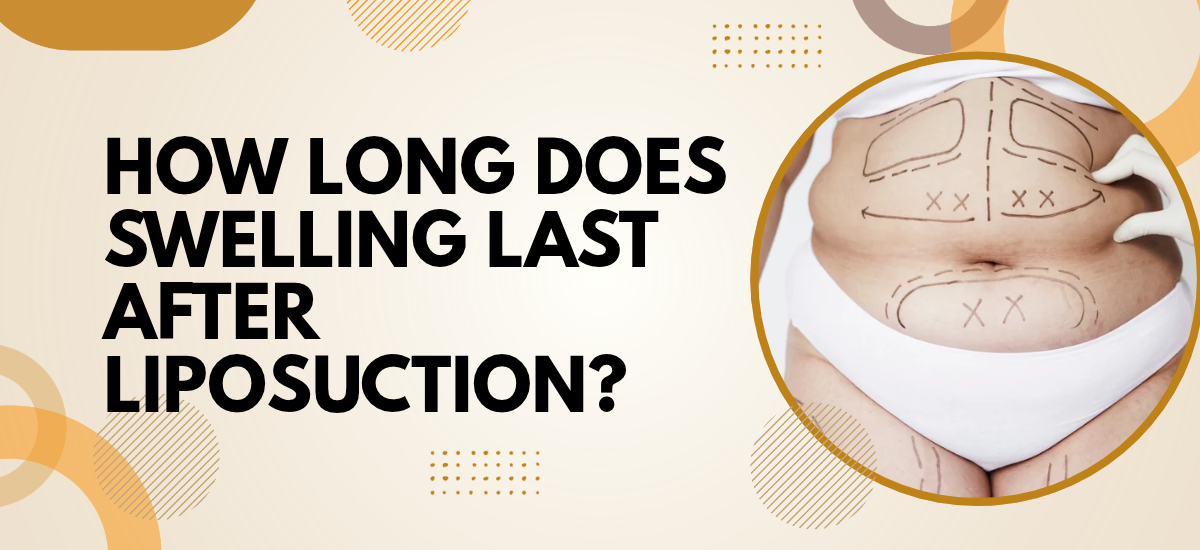
Expect the worst of it in the first two or three days, and a puffy, tight feeling for most of the first week. After that it comes down steadily over the next two to six weeks. The stubborn leftovers, usually around the knees, thighs or lower belly, can hang around for three to six months. For some people it’s closer to a year.
According to Dr. Monisha Kapoor, aPlastic Surgeon in Delhi, “Swelling is just your body responding to the fat being removed. It doesn’t mean anything has gone wrong. Most of it settles within a month, but the finer shape shows up slowly as the fluid clears. The patients who recover best are the ones who wear the compression garment, walk daily and turn up for follow-ups.”
Swelling after liposuction clears in stages, so get a recovery plan that fits your body. Enquire Now
What Does the Liposuction Swelling Timeline Look Like?
- Days 1 to 3: Swelling and bruising build up and peak. The area feels tight and sore, which is normal.
- Week 1: Puffiness stays high. Some people look bigger than they did before surgery, and that catches many of them off guard.
- Weeks 2 to 6: Most of the swelling goes down. Bruising usually fades somewhere between three and six weeks.
- Months 3 to 6: Small firm or puffy patches soften slowly and your final shape starts to show. Some people need longer.
If you want to understand how the procedure itself works, our page on liposuction in Delhi walks through it step by step.
How Can You Reduce Swelling After Liposuction?
- Wear the compression garment: Keep it on for as long as your surgeon says. It stops fluid from pooling under the skin.
- Walk every day: Short, easy walks keep your blood moving and help drain fluid. Skip hard workouts early on, because they can bring the swelling back.
- Ask about lymphatic massage: It can help move trapped fluid, but wait until your surgeon says it’s time to start.
- Go easy on salt, and drink water: Salty food makes your body hold on to fluid, and good hydration helps healing.
If loose skin on your tummy is also bothering you, a tummy tuck is sometimes talked about alongside liposuction.
What Determines How Long Swelling Lasts After Liposuction?
- The area treated: Thighs and knees hold swelling longer than the upper body, because fluid settles downward.
- How much fat was removed: Larger-volume liposuction means more tissue to heal, so it takes longer.
- The technique used: How gently the surgery is done affects how much the tissue swells afterwards.
- How well you follow aftercare: Compression, movement, rest and check-ups all change how quickly things settle.
FAQs
- Is it normal to still have swelling two weeks after liposuction?
Yes. At two weeks most people are still clearly swollen, and some look puffier than they expected. The big drop usually comes between weeks two and six. - Why does my skin feel hard or lumpy after liposuction?
That firmness is fluid and healing tissue under the skin. It softens slowly over several weeks to a few months, and your surgeon may suggest massage to help. - Does a compression garment really help with swelling?
It does. It supports the area, keeps fluid from building up and helps the skin settle evenly. Wear it for as long as your surgeon recommends. - When should I call my doctor about swelling after liposuction?
Call if the swelling comes on suddenly or is only on one side. Fever, severe pain, spreading redness or a foul-smelling discharge are also reasons to call. Chest pain or trouble breathing needs emergency care right away.
Disclaimer
This blog is for general information and isn’t a substitute for advice from a qualified doctor. Recovery is different for everyone, so please talk to your surgeon about what suits your health and your procedure.